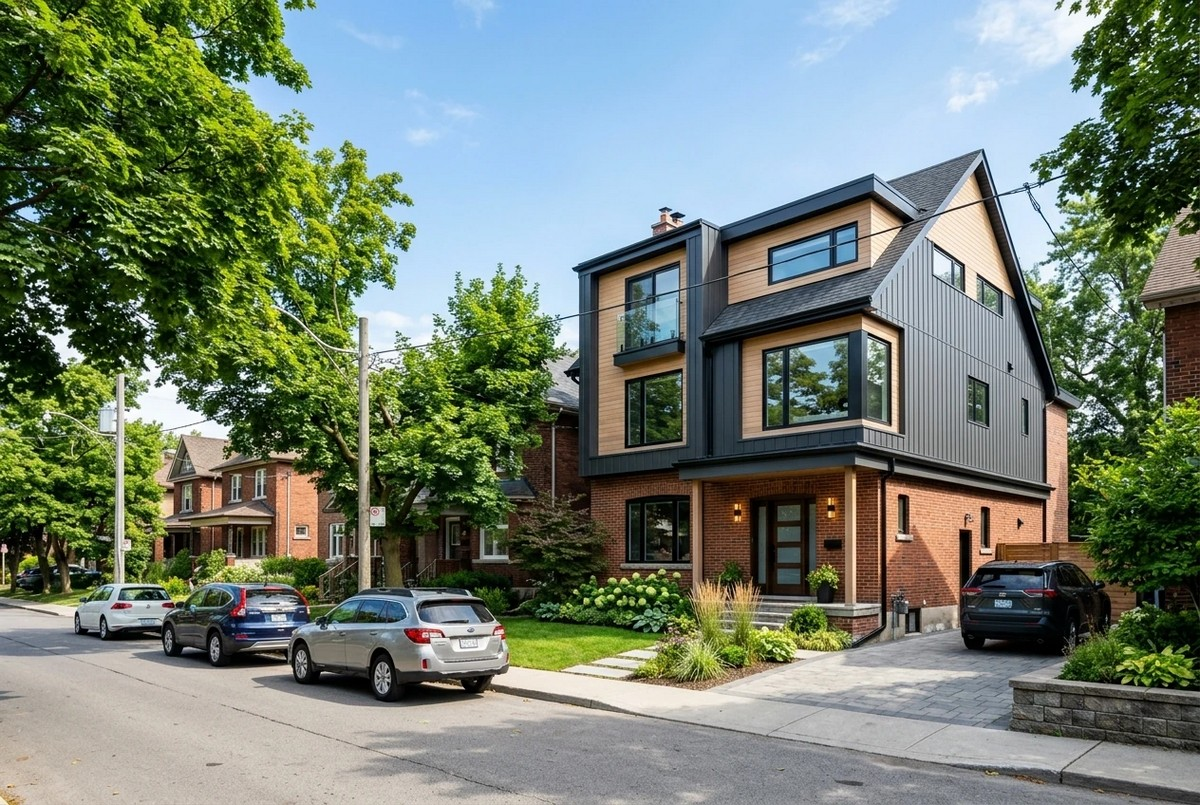
Homeowners across the Greater Toronto Area are discovering that a second-floor addition Toronto project can be the perfect solution for gaining valuable living space without uprooting their family or entering a competitive real estate market. The rising cost of detached homes, limited lot sizes, and heritage neighborhood restrictions have made vertical expansion one of the most strategic and financially sound decisions for Toronto homeowners. When executed with proper planning, building permits, architectural design, and a trusted contractor like Route Homes, a second floor addition transforms your property into a modern, spacious, and future proof home that aligns with Toronto’s strict bylaws.
Understanding the Demand for Second Floor Additions in Toronto
Toronto homeowners face a unique set of constraints when attempting to expand their living space. Older homes in areas such as East York, The Beaches, High Park, and Leaside typically sit on narrow lots, which makes rear or side extensions challenging or impossible. A second floor addition becomes the most efficient way to enhance functionality, increase resale value, and modernize outdated structures.
Population growth and density pressures have also encouraged homeowners to maximize their existing footprint rather than compete for limited housing inventory. As a result, vertical additions are now one of the most sought after home renovation projects in Toronto, particularly among families needing more bedrooms, a master suite, or multi generational space.
Key Benefits of a Second Floor Addition
• Significant increase in square footage without losing backyard space
• Dramatic boost in property value, especially in older Toronto neighborhoods
• Opportunity to redesign floor plans to accommodate modern family lifestyles
• Ability to stay in a beloved community rather than relocate
• Enhanced curb appeal through updated architectural design and façade improvements
• Improved energy efficiency with new insulation and updated building materials
• Better long term investment than many ground level expansions
Toronto Bylaws and Zoning Considerations for Vertical Additions

Second floor additions must comply with Toronto’s zoning bylaws, which regulate building height, floor space index, lot coverage, and building setbacks. Every neighborhood has its own zoning category, although many share similar guidelines. Homeowners must confirm whether the property falls under RD (residential detached), RS (residential semi detached), or R zone classifications.
Zoning requirements often limit how high a property can be extended. In many cases, a maximum height of 10 meters applies to residential structures. Floor space index regulations determine how much additional square footage a homeowner can add relative to the size of the lot. Properties with smaller lots may require a minor variance from the Committee of Adjustment if the proposed second floor addition exceeds the permitted FSI.
Heritage Conservation Districts come with even stricter requirements. A heritage permit may be needed when modifying the exterior façade. This can influence design, window placement, roofline pitch, and material selection. Working with a contractor familiar with Toronto’s regulations is essential for a smooth approval process.
Required Permits for Second Floor Additions in Toronto
- Zoning Review
The first stage of planning involves confirming that the proposed addition complies with the local zoning bylaws. A zoning examiner reviews the architectural drawings to ensure alignment with height, massing, and setback requirements.
- Committee of Adjustment Approval
If the design exceeds zoning permissions, homeowners must apply for a minor variance. This includes public notices, neighbor consultation, and a hearing. Many Toronto homeowners need variances for height, FSI, or lot coverage.
- Building Permit Application
Once zoning approval or variances are secured, stamped architectural drawings and structural engineer reports must be submitted for a formal building permit. This permit authorizes construction work according to the Ontario Building Code.
- Electrical Safety Authority Permit
Any electrical modifications require a separate ESA permit to ensure safe and code compliant installation.
- HVAC and Plumbing Permits
If mechanical systems are altered, such as adding new bathrooms or relocating ductwork, additional permits are required from the city or licensed trade professionals.
- Final Inspection and Occupancy Authorization
After construction is complete, the city conducts inspections for framing, insulation, plumbing, electrical, and final occupancy.
Cost Breakdown for a Second Floor Addition in Toronto
The cost of a second floor addition varies widely depending on the home’s structure, the size of the new floor, and the level of interior finishes. In Toronto, most full second floor additions range between 350,000 and 600,000 dollars. Homes requiring significant reinforcement or those located in heritage districts tend to be on the higher end of the spectrum.
Several factors influence cost. These include existing foundation strength, framing modifications, roof removal, new staircases, window installations, upgraded insulation, and HVAC adjustments. Interior finishing elements such as flooring, custom millwork, and bathroom construction also have a major impact on final totals.
Working with an experienced, full service design build company like Route Homes helps homeowners manage costs with transparent budgeting and accurate pre construction planning. This prevents unexpected expenses and ensures compliance with city regulations.
Detailed Cost Comparison Table
| Item Category | Typical Toronto Cost Range | Notes |
| Architectural Design | 12,000 to 25,000 dollars | Includes drawings, revisions, site measures |
| Structural Engineering | 5,000 to 15,000 dollars | Required for all framing and load calculations |
| Permit Fees | 4,000 to 8,000 dollars | Dependent on square footage and zoning needs |
| Demolition and Roof Removal | 10,000 to 30,000 dollars | Includes disposal of materials |
| Framing and Structural Work | 60,000 to 120,000 dollars | Varies by home age and reinforcement needs |
| Electrical and Plumbing | 20,000 to 45,000 dollars | Higher for multiple bathrooms |
| HVAC Upgrades | 8,000 to 20,000 dollars | New ducts, returns, and furnace capacity |
| Insulation and Drywall | 15,000 to 35,000 dollars | Code compliant thermal performance |
| Exterior Finishes | 20,000 to 50,000 dollars | Brick matching, siding, façade design |
| Interior Finishes | 40,000 to 120,000 dollars | Flooring, millwork, bathrooms, paint |
| Total Estimated Range | 350,000 to 600,000 dollars | Full second floor addition |
Timeline and Construction Phases for a Successful Project
The timeline for a second floor addition in Toronto generally ranges from four to eight months depending on the complexity of the project and seasonality. The process begins with architectural design, zoning review, and engineering reports. Permit approval can take from six to twelve weeks depending on whether variances are required.
Once permits are issued, construction begins with roof removal and structural reinforcement. Framing for the new floor follows, along with installation of new stairs, walls, and subfloors. Mechanical systems are extended or replaced as needed. After inspections for framing, electrical, plumbing, and insulation, interior finishes such as drywall, flooring, and painting are completed. Exterior cladding is installed last to protect the home from weather conditions.
Route Homes provides homeowners with a clear and detailed construction schedule to ensure transparency and minimize disruption. Their project management practices help maintain efficiency even when unexpected structural conditions arise in older Toronto homes.
Preparing Your Home and Property for Construction
• Secure temporary accommodations if the project involves full roof removal
• Protect valuable items with plastic coverings or temporary storage
• Notify neighbors in advance about increased noise and construction traffic
• Arrange parking adjustments for construction vehicles
• Ensure pets and children are kept away from active construction areas
• Coordinate with utility providers if shutoffs are required
• Review waste disposal plans and bin placement
Architectural Design Considerations for Second Floor Additions

Architectural design is one of the most important elements of a successful second floor addition. Toronto neighborhoods have distinct architectural identities, and additions must complement the existing streetscape. Designers consider roofline integration, window placement, symmetry, materials, and massing to create a cohesive exterior appearance.
Inside the home, layout optimization is essential. Many families use second floor additions to add multiple bedrooms, a luxurious primary suite, or a dedicated home office. Staircase placement often dictates the flow of the new floor, and architects must ensure efficient use of space. Incorporating natural light through skylights or large windows is also a priority, especially in older homes with limited openings.
Route Homes works closely with structural engineers to ensure that the new design is not only beautiful but also safe and fully compliant with the Ontario Building Code.
Structural Reinforcement and Engineering Requirements
- Load Bearing Wall Assessment
Engineers identify existing walls that support roof or floor loads and determine whether additional beams or posts are required.
- Foundation Evaluation
Older Toronto homes may require reinforcement of existing footings to support a new second floor.
- Framing Modifications
New joists, beams, and LVL supports are added to meet updated load requirements.
- Roof Structure Conversion
Since the roof is removed during the build, engineers design a new roofing system for the added level.
- Lateral Stability Enhancements
Shear walls and bracing systems help the home withstand wind pressure and seismic movements.
- Staircase Structural Integration
Adding or relocating a staircase requires precise engineering alignment with both floors.
Working with a Professional Renovation Company in Toronto
Choosing a reputable design build contractor is essential for a second floor addition. Route Homes specializes in Toronto renovations and understands the unique challenges posed by aging structures, tight neighborhoods, and complex zoning requirements. Their team provides full service support from architectural design to final inspection, ensuring homeowners experience a smooth, stress free renovation.
Professional contractors coordinate permits, manage trades, schedule inspections, and maintain strict quality standards. They also ensure that project materials meet energy efficiency requirements, sustainability standards, and local building codes. Homeowners benefit from clear communication, detailed budgeting, and craftsmanship that aligns with the architectural style of Toronto’s diverse neighborhoods.
Conclusion
A second floor addition Toronto project is one of the most effective ways to transform an existing home into a modern, spacious, and highly functional living environment. With proper planning, adherence to zoning bylaws, skilled architectural design, and expert construction management, homeowners can dramatically increase property value and enjoy long term comfort without moving. Route Homes provides the experience and craftsmanship needed to deliver exceptional second floor additions that meet the highest standards of Toronto’s housing market and regulatory environment.