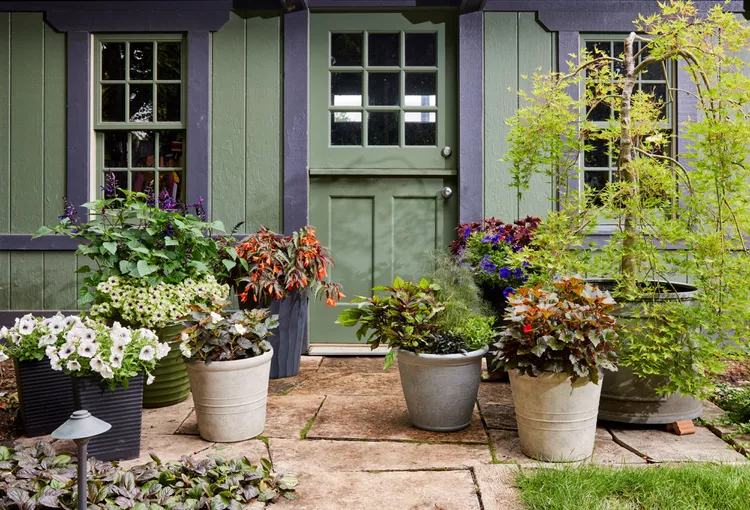
Patio plants can dry out much faster than plants growing in the ground because containers hold limited moisture and heat up quickly. Protecting roots during summer heat means managing watering, shade, pot temperature, and soil moisture together rather than relying on one heavy watering at the end of the day.
Why Patio Containers Dry Out So Quickly
A garden bed contains a large volume of soil that buffers temperature and moisture changes. A container has far less protection. Sunlight can heat the pot itself while wind removes moisture from the leaves and soil surface.
Small containers are especially vulnerable because they have less soil available to store water. Gardeners browsing seasonal home resources may encounter plenty of decorative patio ideas, but plant survival often depends more on container size and root conditions than appearance.
Watch the Pot, Not Only the Leaves
Wilting leaves are an obvious warning, yet the root zone may already be excessively warm before the foliage looks stressed. Touching the side of the container and checking moisture several inches below the surface gives a better picture.
Water Deeply Without Keeping Roots Soggy
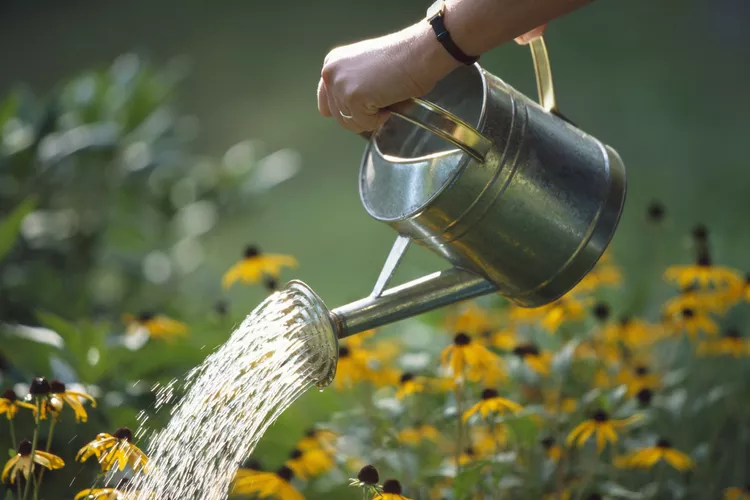
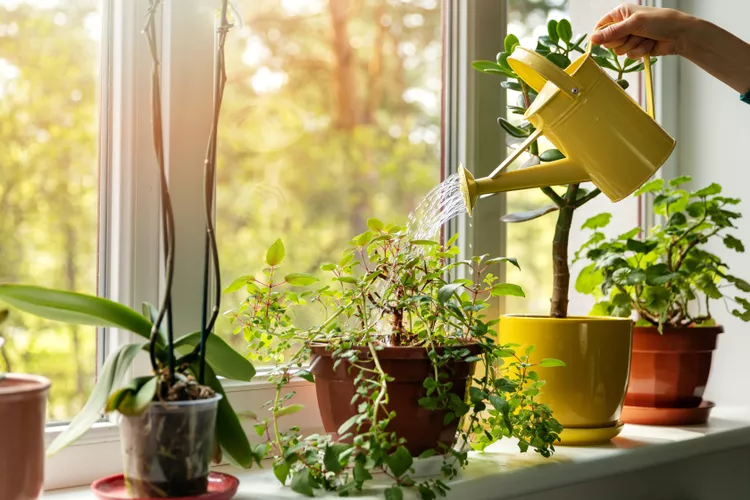
Water should reach the deeper portion of the container rather than wetting only the surface. Slow watering until excess begins leaving the drainage holes helps moisten the full root zone.
People comparing outdoor living references should also remember that watering frequency cannot be copied from another garden. Pot material, plant type, wind, sun exposure, and container size all change how quickly moisture disappears.
| Condition | What Happens | Better Response |
|---|---|---|
| Tiny pot | Soil heats quickly | Move into a larger container |
| Dry surface only | Lower soil may stay damp | Check deeper before watering |
| Constantly wet soil | Roots lose air | Improve drainage |
| Hot afternoon sun | Root temperature rises | Add temporary shade |
Reduce Heat Around the Root Zone
Moving containers away from heat-reflecting walls can make a noticeable difference. Dark pots sitting against concrete, brick, or metal may absorb additional heat during the strongest afternoon sun.
A light layer of mulch can slow surface evaporation. Grouping pots together can also provide limited shading around containers while making watering easier. Broader practical household reading can inspire patio organization, but leave enough air around plants to discourage constantly damp foliage.
Create Afternoon Protection
Morning sun is often easier on container plants than late-day exposure. A shade cloth, umbrella, movable screen, or more sheltered patio location may protect plants during a severe hot period without permanently reducing light.
Common Mistakes That Make Dryness Worse
Watering lightly several times a day can encourage the upper soil layer to become wet while deeper roots remain dry. Another mistake is assuming every wilted plant needs more water. Roots sitting in overheated, waterlogged soil can also produce drooping foliage.
Oversized decorative covers can cause trouble when they trap water around an inner nursery pot. Drainage should remain open, and saucers should not hold standing water for long periods unless the plant specifically tolerates those conditions.
Frequently Asked Questions
Should patio plants be watered every day in summer?
Some may need daily watering during extreme heat, while others will not. Check the soil rather than following a fixed calendar because container size, weather, plant type, and exposure all affect moisture loss.
Does mulch help container plants stay moist?
A modest mulch layer can slow evaporation from the surface. Keep it from becoming so thick or compacted that checking soil moisture becomes difficult.
Are larger pots better during hot weather?
Larger containers generally contain more soil, so temperature and moisture can change less abruptly. The pot still needs suitable drainage and enough space for the particular plant.
Keep Root Conditions Stable
Summer patio care works best when changes are gradual. Check moisture early, protect containers from intense reflected heat, water the full root zone, and adjust placement before plants reach severe stress. Stable root conditions usually matter more than adding extra fertilizer or repeatedly soaking an already struggling container.