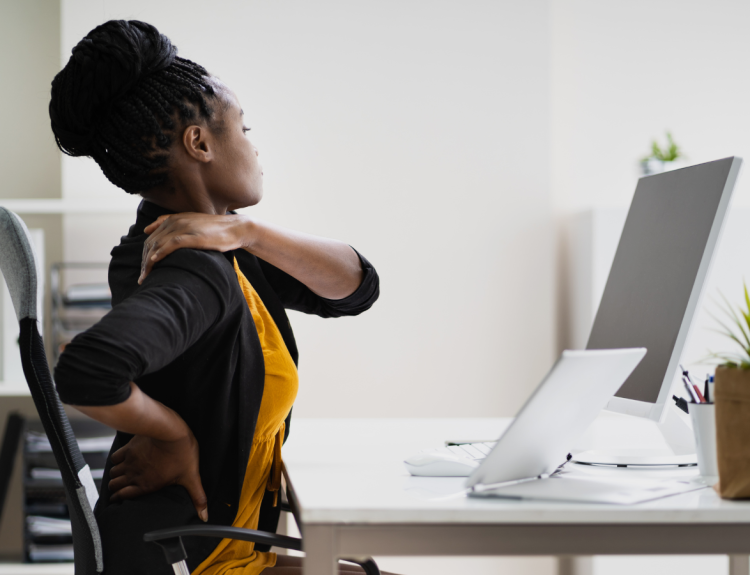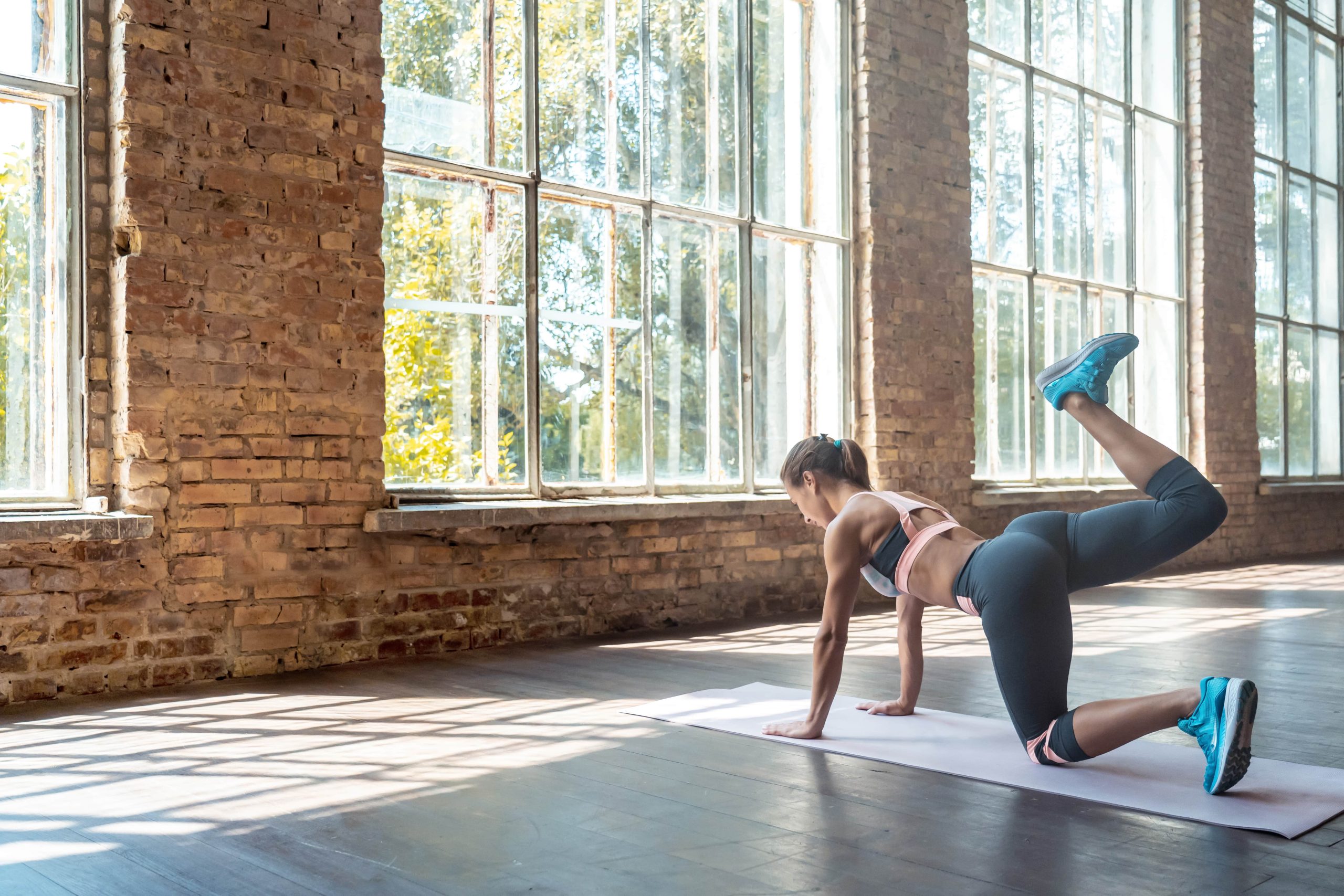
Weak glute muscles can reduce how effectively the hips support walking, climbing, lifting, and other everyday movements. Building strength gradually may improve control around the hips and pelvis, especially when exercises are matched to your current ability rather than rushed.
The goal isn’t simply to make the glutes feel tired. Good strength training should improve movement without creating persistent pain.
Why Glute Strength Matters for Everyday Movement
The gluteal muscles help extend, rotate, and stabilize the hip. They work during actions such as standing from a chair, climbing stairs, walking uphill, and controlling the pelvis when one foot leaves the ground.
Weakness can sometimes show up as difficulty maintaining control rather than obvious pain. A person might notice that stairs feel harder, one leg tires quickly, or the knees and trunk shift excessively during a squat.
People reading about everyday muscle support online may encounter many exercise suggestions, but exercises should still be chosen according to comfort, mobility, and overall health.
Start With Controlled Strength Rather Than Heavy Resistance
Simple movements can train the glutes without requiring heavy weights. Bridges, controlled sit-to-stands, supported step-ups, and side-stepping exercises are common examples.
Quality matters more than speed. If your lower back, knees, or hamstrings are doing most of the work, lowering the resistance or shortening the movement may make it easier to practice better control.
Broader strength and mobility information can be useful for understanding exercise concepts, although online material shouldn’t replace individual assessment when weakness or pain is persistent.
| Movement | Main Goal | Common Mistake |
|---|---|---|
| Bridge | Hip extension | Overarching the back |
| Sit-to-stand | Functional hip strength | Using momentum |
| Side step | Lateral hip control | Letting knees collapse inward |
| Step-up | Single-leg support | Pushing mainly from the trailing leg |
Build Training Volume Gradually
A sudden jump from little activity to frequent high-resistance workouts can create soreness or aggravate an existing problem. Starting with manageable sessions gives muscles and joints time to adapt.
Federal health guidance recommends increasing strengthening activity gradually rather than making abrupt changes in training demand. NIDDK physical activity guidance
General movement and recovery resources may provide additional ideas, but persistent weakness may have causes that aren’t solved simply by performing more repetitions.
What People Often Get Wrong About Weak Glutes
Feeling a burning sensation during an exercise doesn’t prove that the exercise is correcting a movement problem. Likewise, soreness the next morning isn’t a reliable measure of whether a workout was productive.
Another mistake is blaming every knee, hip, or back problem on the glutes. Pain can involve joints, tendons, nerves, previous injuries, training load, or other factors. Muscle weakness may contribute to a problem without being its only cause.
When Weakness Should Be Evaluated
Seek medical evaluation if weakness develops suddenly, becomes progressively worse, follows a significant injury, or occurs with numbness, loss of coordination, severe pain, or difficulty bearing weight.
New weakness affecting one side of the body, especially with speech, facial, balance, or vision changes, requires urgent medical attention rather than an exercise program. Persistent limitations can also be assessed by a clinician or physical therapist to identify what is actually restricting movement.
Frequently Asked Questions
How often should glute muscles be strengthened?
Frequency depends on your starting fitness, exercise intensity, and recovery. Strength work doesn’t have to be performed every day. Allowing recovery between harder sessions can help muscles adapt while reducing unnecessary fatigue.
Can walking strengthen weak glutes?
Walking uses the glutes, particularly during faster walking, hills, and longer strides, but it may not provide enough resistance to correct meaningful weakness by itself. Targeted strength exercises can add a more specific challenge.
How long does glute strengthening take to feel easier?
There is no universal timeline. Exercise history, consistency, resistance, sleep, nutrition, injuries, and the reason for the weakness all affect progress. Look for gradual improvement in control and function rather than chasing a fixed deadline.
Build Strength Around Better Movement
Glute training works best when resistance increases gradually and movement remains controlled. Start at a level you can manage without significant pain, then progress as strength and confidence improve.
If weakness continues despite consistent training or interferes with ordinary activities, getting it assessed can help determine whether another hip, nerve, joint, or movement issue is involved.
This article is for general informational purposes and is not a substitute for professional medical advice, diagnosis, or treatment.