The fact is that the shortage of lifeguards in the USA is rising as a national concern. Unfortunately, these pools, beaches, and waterparks remain poorly staffed, putting the communities at risk. A lack of interest in the job is not the only reason for the crisis- accessibility of lifeguard certification programs could also play an equally important part. At this point, we focus on why the shortage of lifeguards is all true, why proper training is important, and what is being done by organizations like the American Lifeguard Association towards the building of such lifeguards.
If you want to become a lifeguard or are interested in water safety, it is important to understand what the certification process entails as the key to alleviating this crisis.
The Lifeguard Shortage: By the Numbers
Nearly one-third of public pools in the U.S. have reduced hours or shuttered entirely because of a shortage of certified lifeguards. The issue is more than seasonal; it’s a long-term trend exacerbated by several things:
- Aging workforce: Experienced lifeguards are ageing out of their jobs.
- Low wages: Entry-level lifeguard pay often does not match the heavy responsibility.
- Certification barriers: Some candidates cannot locate affordable or accessible training.
It puts an increasing drowning risk and endangers public safety in case we do not have enough certified professionals.
Why Lifeguard certification Matters
Lifeguarding is not just sitting by pools-it is a very skilled profession requiring:
- Water rescue techniques
- CPR and first aid proficiency
- Emergency response coordination
Proper American lifeguard certification not only prepares guards to act immediately, but it ensures that they are capable of doing so effectively in life-and-death situations. Unfortunately, many good candidates do not understand how accessible certification can be with a proper training provider.
The Role of the American Lifeguard Association
American Lifeguard Association is perhaps the front most among those organizations on behalf of which it competes for increased numbers in lifeguard training. It stands out because of its commitment to high standards combined with accessibility. ALA programs include:
- Nationally recognized certifications
- Flexible training options (including blended online/in-person courses)
- Affordable programs to reduce financial barriers
The ALA advances streamlined certification processes and thus serves as a bridge between aspiring lifeguards and those facilities needing them.
Myths and Misconceptions Related to Lifeguard
Becoming a lifeguard is tough and/or expensive, say a lot of people; it is not true always in some way. Here are some of the myths:
Myth 1: Certification Takes A Long Time.
Realiy: Most programs, including those from the American Lifeguard Association, can be completed in a matter of days.
Myth 2: Must Be an Olympic Swimmer
Reality: You must have good swimming skills but you do not have to be that lifeguard-like kind of lifeguard, easy enough to rescue.
Myth 3: Certification Is Extremely Expensive
Reality: The majority of employers participate in the training cost reimbursement plan, and so organizations like ALA keep their fees reasonable.
Getting Certified for Lifeguarding (And the Reason for It)
If you are considering lifeguarding, here is what you should know:
Step 1: Basic-Requisite Related
- -Minimum Age (generally 15+)
- -Pass Swim Test{timed laps, treading water, etc.}
Step 2: Attend the Certification Course
Search for programs approved by reputable bodies like the American Lifeguard Association that ensure compliance with national safety standards.
Step 3: Complete Training
The course typically includes:
- First aid & CPR/AED
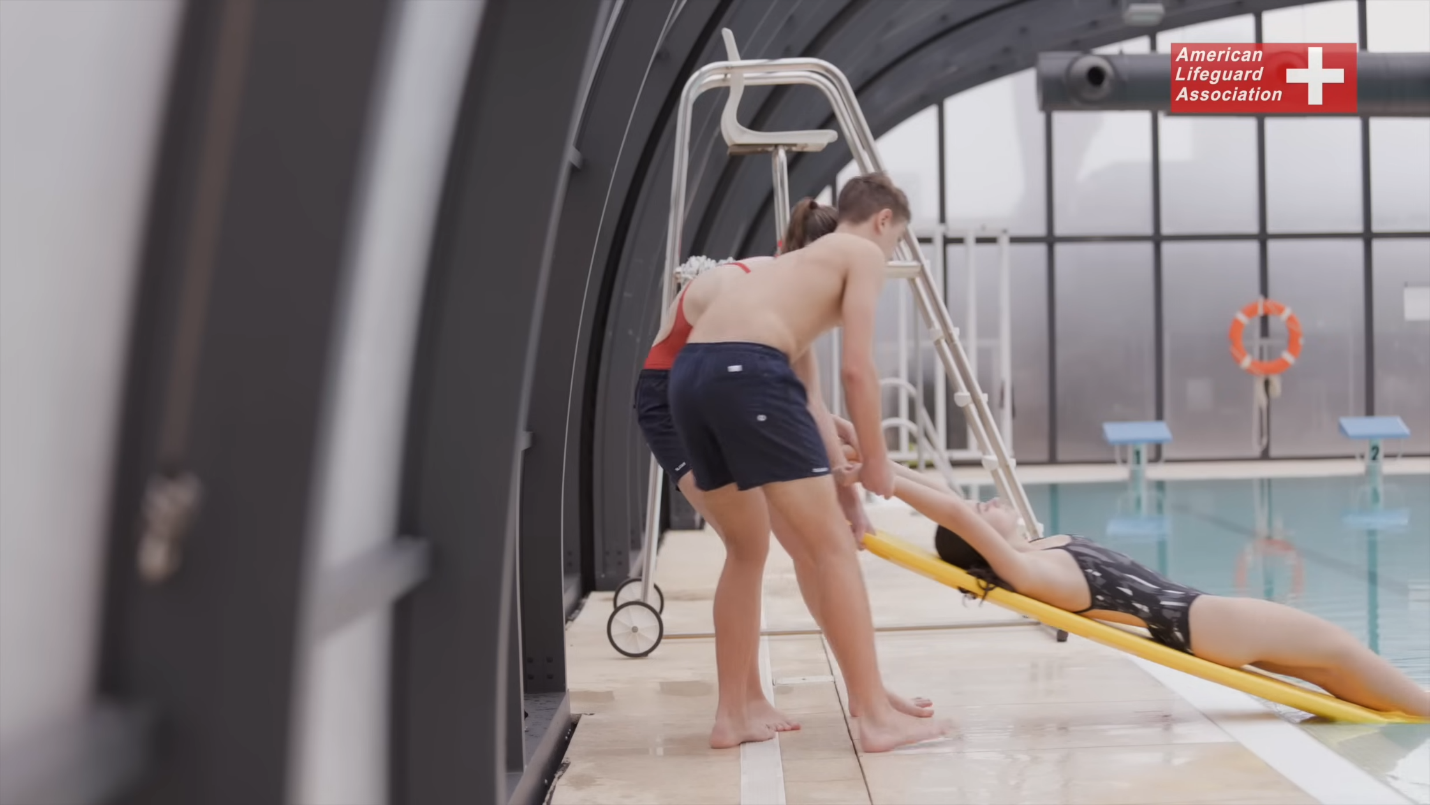
- Passive and active victim rescues
– Spinal injury management
Step 4: Final Exam Anniversary
A candidate must pass the practical and written tests to earn the certificate.
Economic and Social Impact of Lifeguard Crisis
Not that safety is the only thing of concern shortage has real economic consequences:
- “Tourist Decline”: Without guards, beaches and resorts close.
- Increased insurance costs: Facilities shoulder higher premiums because of staffing gaps.
- Community health risks: Drownings and water-related injuries skyrocket without supervision.
Investing in lifeguard certification programs doesn’t fill jobs; it saves lives.
Remedies to Shortage: What Can Be Done?
The myriad actions needed to address the crisis include:
1. Raise Awareness
Many don’t think about lifeguarding as a career. Schools and community centres should begin promoting training opportunities.
2. Offer Incentives
Such as higher pay, bonuses, and free/reimbursed training.
3. Make More Easily Accessible to Certification.
Flexible & affordable programs like those from the American Lifeguard Association can remove barriers.
4. Encourage Retention
Better career advancement opportunities can keep lifeguards in the field longer.
The Futuristic End of Lifeguarding is Certification
The lifeguard crisis is no longer a mystery, but it calls for a renewed focus on accessibility to ALA lifeguard certification and training. Institutions such as the American Lifeguard Association play critical roles in skill acquisition for new guards. This would require communities, employers, and policymakers to fulfil their roles.
If you’ve always been thinking about being a lifeguard, I encourage you to go for it because, with the right training, you could be a life-saver as much as it’s a job for you.
Ready to make the dive? Find a certification course nearby and help with the lifeguard shortage today.