A lawn can look green on top while still having a shallow, weak root system underneath. Better watering can help roots grow deeper by encouraging grass to search downward for moisture instead of depending on frequent surface watering. The goal isn’t simply adding more water. It’s changing how and when the soil receives it.
Why Lawn Roots Stay Shallow
Frequent light watering often keeps only the top layer of soil damp. Grass roots have little reason to extend deeper when moisture is constantly available near the surface.
Compacted soil, thick thatch, poor drainage, and mowing too short can also interfere with root development. Useful seasonal lawn care reading may provide broader ideas, but the condition of your own soil should guide watering decisions.
Check the Soil Before Changing the Schedule
Push a screwdriver or soil probe into several parts of the lawn after watering. If the surface is wet but the soil underneath remains dry and hard, water may not be penetrating deeply enough.
Sandy soil may drain quickly, while heavy clay can absorb water slowly. That difference matters more than following a fixed calendar.
Water Deeply Rather Than Constantly
Deeper watering encourages moisture to move farther into the root zone. Allowing the upper soil to begin drying between watering sessions can encourage roots to follow that moisture downward.
People comparing practical garden articles should remember that climate, soil type, shade, and grass variety can change the ideal routine. A watering schedule that works in one yard may be excessive in another.
| Watering Pattern | Likely Effect | Better Direction |
|---|---|---|
| Light daily watering | Shallow moisture | Water less often |
| Fast heavy watering | Runoff | Slow application |
| Deep periodic watering | Deeper soil moisture | Adjust to conditions |
| Water on wet soil | Saturation risk | Wait and recheck |
Slow Down Water Application
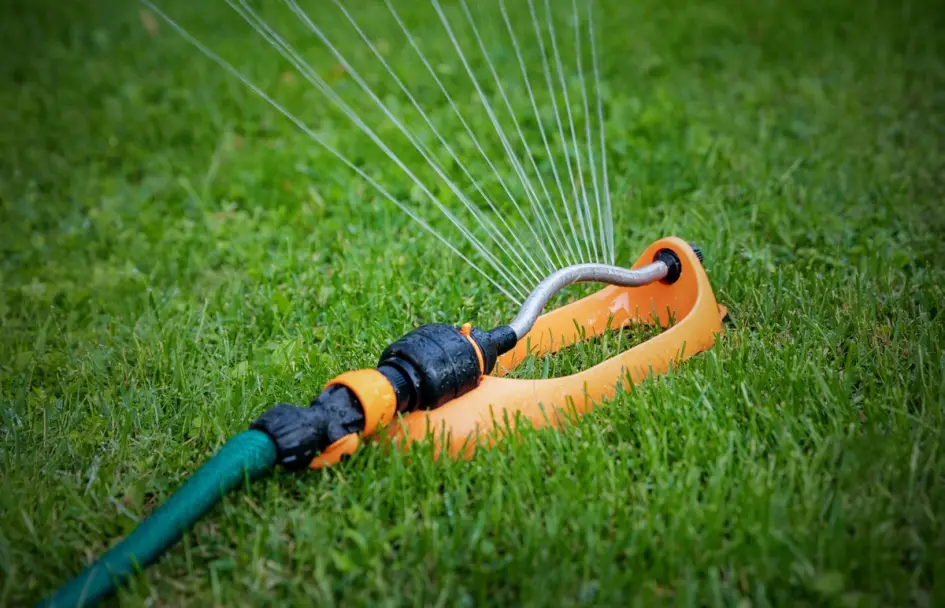
Water that reaches the sidewalk isn’t helping the lawn. Runoff usually means the irrigation rate is faster than the soil can absorb.
A cycle-and-soak approach can help. Run sprinklers for a shorter period, pause so moisture can soak in, then continue if needed. This can be especially useful on slopes or dense clay soil.
Broader household maintenance topics can offer general upkeep ideas, yet actual irrigation should still be adjusted after observing drainage and soil moisture.
What Lawn Owners Often Get Wrong
More water doesn’t automatically create stronger roots. Constantly saturated soil can reduce oxygen around the root zone and contribute to poor growth.
Another mistake is watering every section for exactly the same amount of time. Sunny areas may dry faster than shaded spots, and compacted patches may absorb water differently. Uniform irrigation can therefore produce uneven results even when every sprinkler runs perfectly.
Support Roots Beyond Watering
Watering works better when other lawn practices support root health. Avoid cutting grass excessively short, since leaves help produce the energy needed for root growth.
Core aeration may help compacted lawns by creating pathways for air and water. Address drainage problems separately rather than assuming irrigation changes alone will solve standing water.
Frequently Asked Questions
How can I tell whether my lawn has shallow roots?
Gently pull at a small grass section or inspect the soil with a narrow probe. Grass that lifts easily or has most roots concentrated close to the surface may have a shallow root system.
Is morning or evening better for lawn watering?
Early morning is commonly preferred because temperatures are cooler and the lawn has time to dry afterward. Watering late at night can leave grass wet for extended periods in some conditions.
Should I water a lawn every day during hot weather?
Not automatically. Daily watering can keep moisture near the surface and encourage shallow rooting. Check soil moisture, heat, rainfall, soil type, and signs of stress before changing the schedule.
Build Stronger Roots From the Soil Down
Weak lawn roots usually improve through consistent soil management rather than one heavy watering session. Check how deeply moisture travels, reduce unnecessary surface watering, and correct runoff or compaction when you find it. A lawn supported by deeper roots is generally better prepared for ordinary periods of heat and drying.