Categories Fashion

Uncomfortable Headbands Daily – Choose Softer Fits for Comfort

headbands that create pressure or soreness can turn a small style choice into a daily annoyance. The most useful fix is usually not buying more; it is changing how the accessory is selected, worn, or stored. For this problem, focus on choosing flexible bands, soft linings, lighter decoration, and a fit that grips gently instead of clamping at the temples. Readers who like browsing broader comfort-focused accessory ideas can use that as inspiration, but the practical goal here is simple: make the accessory easier to live with and easier to pair with the clothes you already wear.

Five Places to Compare for Practical Solutions

The quickest way to solve this kind of accessory problem is to identify whether the real issue is fit, weight, storage, or visual balance. Once that is clear, comparing the right retailers and specialists becomes easier. The five names below are not a ranking. Each serves a different role, from product comparison to repair or organization.

1. Anthropologie

Anthropologie carries bags, belts, hats, eyewear, hair accessories, jewelry, and scarves. Its range is useful for comparing scale, texture, color, and statement strength. Test one change at a time so a bold accessory supports the outfit instead of competing with every other detail. In a comparison focused on headband comfort, use statement pieces to test proportion, then simplify nearby details so the look stays balanced.

2. Macy’s

Macy’s carries handbags, jewelry, watches, belts, scarves, hats, and sunglasses across many brands. That makes it useful for comparing size, weight, materials, and proportions side by side. Use the range to test practical differences instead of assuming a familiar label or larger size will solve the problem. For shoppers trying to improve comfortable headbands, compare several shapes or sizes in the same category before deciding what actually feels easier.

3. Nordstrom

Nordstrom carries broad accessory categories and offers personal styling in selected formats. It can help when you want to see how a bag, scarf, belt, frame, or jewelry piece works with clothing you already own. Certain locations also offer repair or alteration services relevant to fit and wear. If headband comfort is the recurring problem, bring the real outfit or use case into the decision instead of judging the accessory alone.

4. The Container Store

The Container Store is most useful when organization is the real problem. It sells purse organizers, handbag storage, travel jewelry cases, jewelry boxes, and divided storage. Those tools can make contents visible, keep chains apart, and reduce friction between pieces without adding more fashion items. For headband comfort, choose storage that improves visibility and separation rather than adding hidden clutter.

5. Coach

Coach is useful when the problem involves handbags, straps, belts, or leather accessories. Compare bag weight, strap design, closures, and structure. Coach also maintains a repair process for its own bags and accessories, which can matter when stitching or hardware is the real issue rather than styling. When the goal is comfortable headbands, focus on empty weight, strap position, hardware, and the way the piece sits while moving.

What Should You Check Before Choosing?

Start by recreating the problem at home. Load the bag the way you normally do, wear the earrings for an hour, try the scarf with your real coat, or put on the sunglasses with your usual hairstyle. That test exposes the exact friction. Then compare only features that address it. Use comfortable styling ideas to collect a few visual references, then compare those ideas against your practical limits. Avoid changing three variables at once; if you change size, material, and color together, you may not know which change actually solved the issue. Keep receipts and packaging until the item has passed a normal-day test.

Frequently Asked Questions

Why does this hair accessory become uncomfortable or slip?

Pressure usually comes from a band that is too rigid or narrow, while slipping often comes from a clip that is too large for the hair section or placed on very smooth hair. Match the accessory to hair density and use less hair if the closure is being overloaded.

How can I test a new option before committing?

Use it with the clothes and items you actually wear or carry. Walk, sit, reach, and put on a coat if that reflects real use. For bags, load your normal essentials. For jewelry or hair accessories, wear the piece long enough to notice pressure, slipping, snagging, or irritation.

When is professional help worth considering?

Professional help is sensible when the issue involves valuable jewelry, watch components, delicate hardware, leather repairs, or adjustments that require tools. A retailer or repair specialist can explain what can be changed safely. For purely visual styling problems, a fitting or personal styling appointment may be enough.

A Simpler Daily Approach

The strongest fix for headband comfort is usually a small system you can repeat: edit what you carry, separate what tangles, adjust what slips, or simplify what competes. A few minutes of testing at home can prevent another purchase that recreates the same problem. For more headband style perspective, treat inspiration as a starting point rather than a rulebook. Comfort, visibility, and ease of use are better measures of whether an accessory deserves a regular place in your wardrobe.

More From Author

Leave a Reply

Your email address will not be published. Required fields are marked *

You May Also Like

Moth Damage Risks - Protect Natural Fabrics During Storage

Moth Damage Risks – Protect Natural Fabrics During Storage

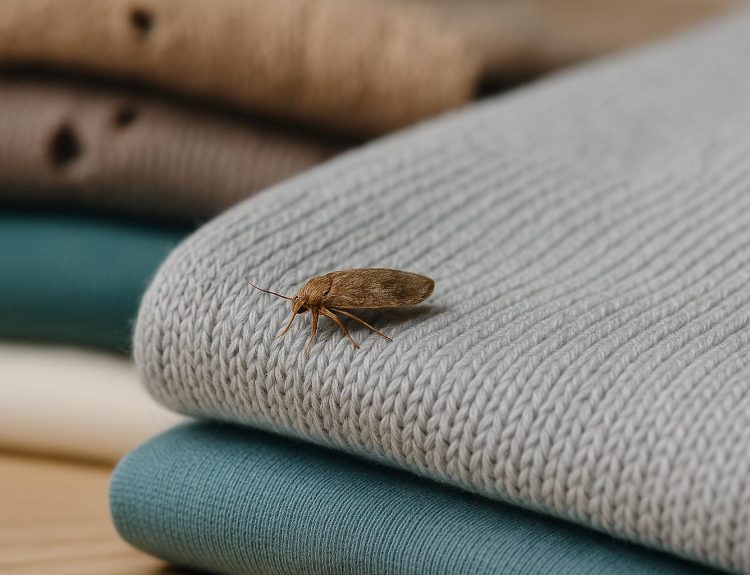
Clothing can look worn long before the fabric is actually finished. Moth Damage Risks is…

Duplicate Wardrobe Buys - Check Existing Pieces Before Shopping

Duplicate Wardrobe Buys – Check Existing Pieces Before Shopping

Duplicate purchases happen because shoppers remember an impression of their wardrobe rather than its actual…

How Lifestyle Habits Affect Body Contouring Results

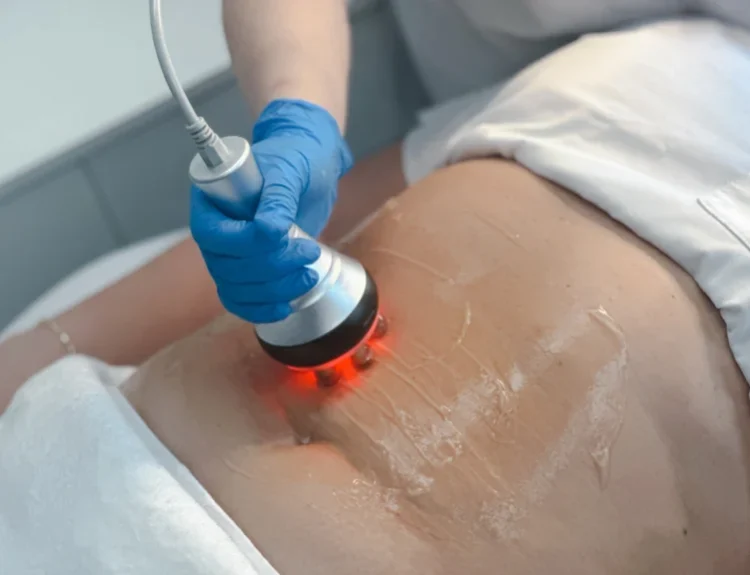
Many clients walk into the treatment room hoping that advanced aesthetic technology acts like a magic wand. While modern clinical body sculpting is undeniably impressive, it is not a standalone miracle. Achieving a beautifully contoured silhouette is actually a collaborative partnership between the specialized therapies you receive and the daily habits you practice at home. Think of professional sculpting as hiring an elite personal trainer for your fat cells; we can do the heavy lifting in the clinic, but you still have to support the work outside of it. If you are investing your time and resources into reshaping your silhouette, understanding how your lifestyle directly impacts your final outcome is absolutely essential. The Hydration Factor in Cellular Clearance Once a clinical contouring session breaks down targeted adipose tissue, those damaged fat cells do not simply evaporate into thin air. Your body has to physically process and eliminate them through the lymphatic system. This natural waste removal network relies entirely on robust hydration to function properly. If you are chronically dehydrated, your lymphatic fluid becomes sluggish and thick, significantly delaying your overall results. Drinking plenty of water acts like a rushing river sweeping away the cellular debris we worked so hard to break down. Without adequate water intake, that stagnant tissue can linger, leaving you feeling puffy and temporarily masking the beautifully sculpted results waiting just beneath the surface. Nutritional Choices That Support Tissue Healing Diet plays an incredibly sneaky role in the immediate aftermath of a body sculpting session. It is completely natural to want to celebrate a successful clinic visit with a decadent meal, but high sodium and processed sugars are the enemies of a sleek silhouette. Excess sodium forces your body to hold onto water, creating localized swelling that perfectly mimics stubborn fat. Meanwhile, refined sugars trigger systemic inflammation, which stalls your natural collagen production and slows down the biological healing cascade. To maximize your aesthetic investment, focus on lean proteins and antioxidant-rich vegetables. These nutrient-dense foods give your tissue the exact building blocks required to heal smoothly and tighten up beautifully around your new contours. Why Daily Movement Accelerates Your Outcome There is a common misconception that you need to remain perfectly still on the couch to recover from non-surgical body sculpting. While we certainly do not recommend running a marathon immediately after a clinical session, completely sedentary behavior actually works against you. Light, consistent movement like brisk walking or gentle yoga acts as a mechanical pump for your lymphatic system. Because your lymph network does not have its own central pump as your heart does for blood, it relies entirely on your muscle contractions to push waste out of the body. Staying gently active ensures that the cellular debris mobilized during your treatment keeps moving swiftly toward the exit doors. The Sneaky Impact of Sleep and Stress We rarely associate our daily stress levels with our physical shape, yet hormones play a massive role in how your body holds onto fat and fluid. When you are operating on a severe sleep deficit or dealing with chronic stress, your adrenal glands pump out excess cortisol. This pesky stress hormone actively encourages your body to store fat, particularly around the midsection, while simultaneously breaking down the healthy collagen we want to preserve. Prioritizing seven to eight hours of quality sleep allows your tissue to enter a state of deep repair. A well rested body is simply more cooperative, healing faster and responding far better to advanced aesthetic interventions. Partnering with Advanced Clinical Modalities When your daily habits are aligned with your aesthetic goals, you create the perfect biological environment for advanced therapies to truly shine. Modern interventions are designed to target the localized pockets of adipose tissue that remain completely stubborn despite your best diet and exercise efforts. For instance, pairing a healthy lifestyle with a targeted Laser Liposuction Treatment allows specialized thermal energy to melt away specific fat deposits while simultaneously encouraging the surrounding skin to contract and tighten. Because you are already actively supporting your lymphatic system and managing inflammation at home, the clinical technology can deliver a dramatically smoother, more refined silhouette without unnecessary biological resistance. Protecting Your Investment for the Long Haul At the end of the day, aesthetic body contouring is a shared journey. Professional clinical therapies provide the precise, targeted disruption needed to shift stubborn tissue, but your lifestyle habits dictate how efficiently your body clears away the debris to reveal the final shape. By staying diligently hydrated, choosing anti-inflammatory foods, prioritizing gentle movement, and managing your cortisol levels, you ensure that your aesthetic investment yields the most vibrant, sculpted results possible. You deserve to feel confident and beautifully contoured in your own skin. Stop letting stubborn areas dictate your wardrobe choices. Reach out today to schedule a comprehensive body assessment, and let an expert design a customized contouring strategy that works perfectly with your healthy lifestyle.