Categories Fashion

Moth Damage Risks – Protect Natural Fabrics During Storage

Clothing can look worn long before the fabric is actually finished. Moth Damage Risks is a good example: the visible problem may come from heat, friction, residue, moisture, or delayed repair rather than the fabric simply being old. A careful response starts with the care label and the least aggressive method likely to work. Readers who like to understand how materials behave can also browse natural-fiber care reading alongside practical garment-care advice.

Practical Care for Moth Damage Risks

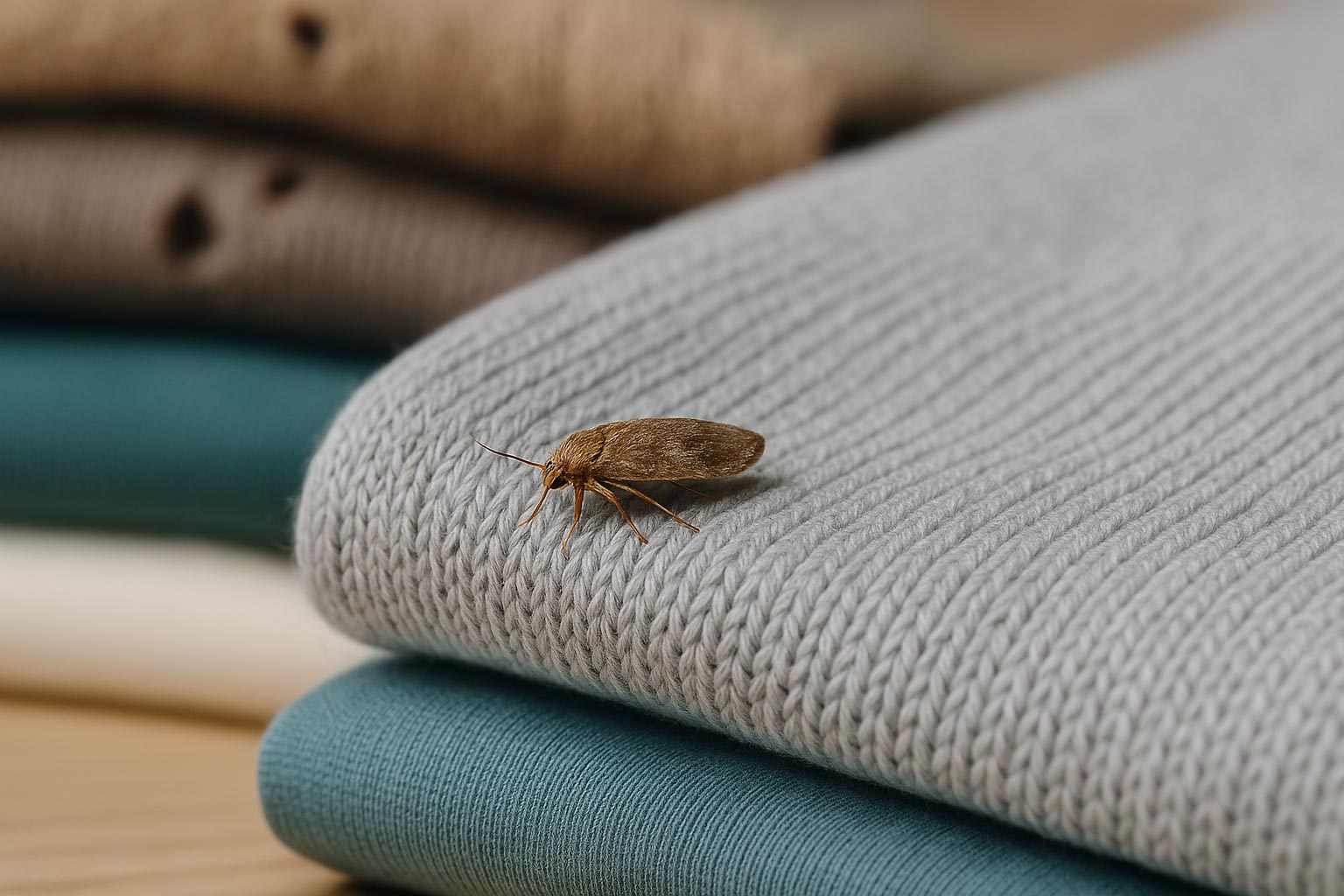
Natural fibers such as wool can attract clothes-moth larvae, especially when garments are stored with body oils or food residue. Clean vulnerable clothing before storage, inspect dark and undisturbed areas, vacuum closets, and use sealed containers or garment bags that limit access to textiles. The important part is to stop before experimenting with stronger products or hotter settings. Repeated treatment can change dye, surface texture, sizing, stretch, or decorative finishes, especially when the garment has already been stressed.

At home, separate the item from rough loads and inspect seams, trims, closures, and stains before the next cycle. If the problem is physical rather than dirty, cleaning alone will not solve it. A repair-first approach can keep a loose edge, zipper, or decorative area from failing further.

Garment-Care Services Worth Comparing

1. Tide Cleaners

Tide Cleaners is relevant to moth damage because it offers dry cleaning, shirt laundry, wash-and-fold service, outerwear care, and alterations at participating locations; its service pages note that specific offerings vary by location. Ask the location how it handles the exact fabric, stain, or damage and whether the requested work is done on-site or by a specialist. The safest method can change with fiber content, dyes, trims, and construction.

2. Martinizing Cleaners

For moth damage, Martinizing Cleaners is a useful service to compare. The company lists professional dry cleaning, wash-dry-fold, alterations and repairs, shirt laundry, leather and suede care, and other garment services across many North American locations. Before leaving an item, explain what happened and mention any home treatment already tried. That history can help a cleaner or tailor avoid repeating a process that contributed to fading, residue, shrinkage, or damage.

3. Lapels Cleaners

Lapels Cleaners may fit situations involving moth damage when home care has reached its limit. It offers garment-care services that include dry cleaning, shirt laundry, alterations and repair, wash-dry-fold, and leather or suede care, with pickup and delivery available in some markets. Confirm which services are available at the specific location and whether the garment needs cleaning, repair, pressing, or a specialty process rather than assuming one treatment solves every problem.

4. Rinse

When moth damage is more than a simple home fix, Rinse is one option to review. It provides pickup and delivery for wash-and-fold laundry and dry cleaning in the markets it serves, with customers able to set cleaning preferences for regular laundry. Bring the care label and point out the problem area. For repairs, identify nearby stress points too, since the visible failure may not be the only weak spot.

5. ZIPS Cleaners

Consumers comparing help for moth damage can also review ZIPS Cleaners. The business lists dry cleaning, laundered-and-pressed shirts, wash-and-fold laundry, household-item cleaning, and alterations at select locations. Service scope can differ by location, so confirm that the exact garment type is accepted before making a trip or scheduling pickup. Specialty materials and decorative details may need a different process from everyday washable clothing.

What Should You Check Before Handing Over the Garment?

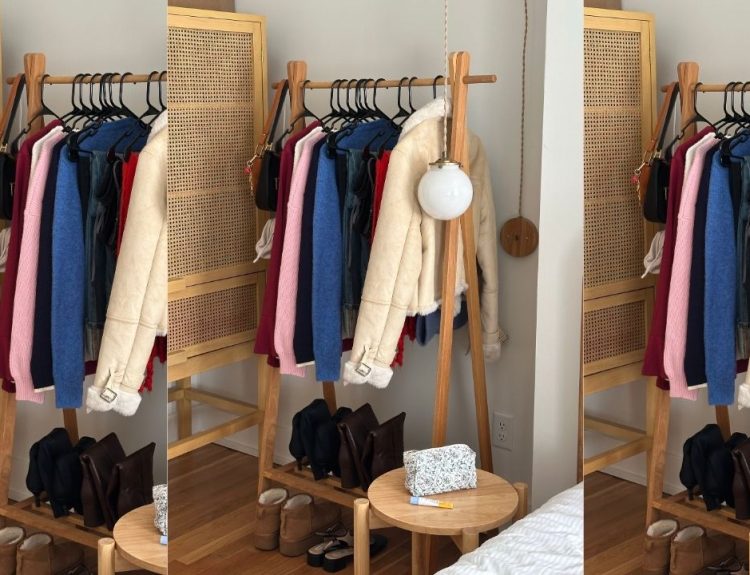
Start with the care label and the actual material, not the appearance of the garment alone. A cotton shirt, wool sweater, coated print, stretch performance top, and leather jacket can react very differently to water, heat, solvents, pressure, and agitation. Ask whether the provider handles the fabric regularly, whether repairs are done in-house, and what outcome is realistic before authorizing work. For broader wardrobe context, wardrobe storage inspiration can sit alongside a care routine without replacing the instructions on a garment label.

Frequently Asked Questions

Do cedar products prevent all moth damage?

No single storage product is a complete solution. Cleaning garments, removing lint and debris, inspecting storage areas, vacuuming, and using well-sealed containers are more dependable parts of a prevention routine.

Can dryer heat make the problem worse?

Yes, heat can worsen shrinkage, fading, set stains, and stress some trims or elastic. When a stain or care problem is unresolved, air drying is often the safer temporary choice until you know the fabric can tolerate more heat.

When should I use a professional cleaner or tailor?

Consider professional help when the label calls for specialty care, the garment is valuable, the fabric is delicate, the stain is persistent, or the issue involves structural damage such as a zipper, seam, hem, lining, or leather surface.

Build a Better Care Routine

The goal is not to make clothing indestructible; it is to stop avoidable damage from becoming permanent. Match water, heat, agitation, storage, and repair choices to the material in front of you. When the garment is valuable or the problem is structural, professional assessment is often safer than repeated experiments at home. Keep the routine simple, record what worked, and adjust one habit at a time. Care habits often overlap with appearance routines, and style and personal-care reading offers a related style-and-beauty reading path.


More From Author

Leave a Reply

Your email address will not be published. Required fields are marked *

You May Also Like

Uncomfortable Headbands Daily - Choose Softer Fits for Comfort

Uncomfortable Headbands Daily – Choose Softer Fits for Comfort

headbands that create pressure or soreness can turn a small style choice into a daily…

Duplicate Wardrobe Buys - Check Existing Pieces Before Shopping

Duplicate Wardrobe Buys – Check Existing Pieces Before Shopping

Duplicate purchases happen because shoppers remember an impression of their wardrobe rather than its actual…

How Lifestyle Habits Affect Body Contouring Results

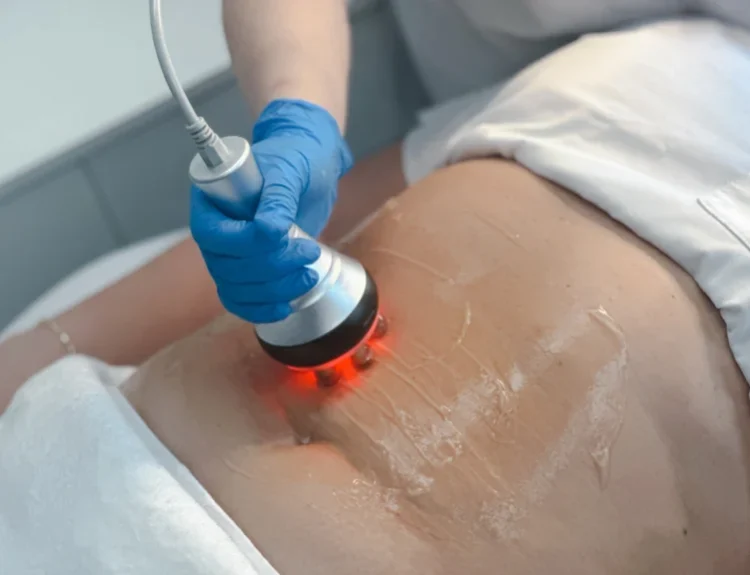
Many clients walk into the treatment room hoping that advanced aesthetic technology acts like a magic wand. While modern clinical body sculpting is undeniably impressive, it is not a standalone miracle. Achieving a beautifully contoured silhouette is actually a collaborative partnership between the specialized therapies you receive and the daily habits you practice at home. Think of professional sculpting as hiring an elite personal trainer for your fat cells; we can do the heavy lifting in the clinic, but you still have to support the work outside of it. If you are investing your time and resources into reshaping your silhouette, understanding how your lifestyle directly impacts your final outcome is absolutely essential. The Hydration Factor in Cellular Clearance Once a clinical contouring session breaks down targeted adipose tissue, those damaged fat cells do not simply evaporate into thin air. Your body has to physically process and eliminate them through the lymphatic system. This natural waste removal network relies entirely on robust hydration to function properly. If you are chronically dehydrated, your lymphatic fluid becomes sluggish and thick, significantly delaying your overall results. Drinking plenty of water acts like a rushing river sweeping away the cellular debris we worked so hard to break down. Without adequate water intake, that stagnant tissue can linger, leaving you feeling puffy and temporarily masking the beautifully sculpted results waiting just beneath the surface. Nutritional Choices That Support Tissue Healing Diet plays an incredibly sneaky role in the immediate aftermath of a body sculpting session. It is completely natural to want to celebrate a successful clinic visit with a decadent meal, but high sodium and processed sugars are the enemies of a sleek silhouette. Excess sodium forces your body to hold onto water, creating localized swelling that perfectly mimics stubborn fat. Meanwhile, refined sugars trigger systemic inflammation, which stalls your natural collagen production and slows down the biological healing cascade. To maximize your aesthetic investment, focus on lean proteins and antioxidant-rich vegetables. These nutrient-dense foods give your tissue the exact building blocks required to heal smoothly and tighten up beautifully around your new contours. Why Daily Movement Accelerates Your Outcome There is a common misconception that you need to remain perfectly still on the couch to recover from non-surgical body sculpting. While we certainly do not recommend running a marathon immediately after a clinical session, completely sedentary behavior actually works against you. Light, consistent movement like brisk walking or gentle yoga acts as a mechanical pump for your lymphatic system. Because your lymph network does not have its own central pump as your heart does for blood, it relies entirely on your muscle contractions to push waste out of the body. Staying gently active ensures that the cellular debris mobilized during your treatment keeps moving swiftly toward the exit doors. The Sneaky Impact of Sleep and Stress We rarely associate our daily stress levels with our physical shape, yet hormones play a massive role in how your body holds onto fat and fluid. When you are operating on a severe sleep deficit or dealing with chronic stress, your adrenal glands pump out excess cortisol. This pesky stress hormone actively encourages your body to store fat, particularly around the midsection, while simultaneously breaking down the healthy collagen we want to preserve. Prioritizing seven to eight hours of quality sleep allows your tissue to enter a state of deep repair. A well rested body is simply more cooperative, healing faster and responding far better to advanced aesthetic interventions. Partnering with Advanced Clinical Modalities When your daily habits are aligned with your aesthetic goals, you create the perfect biological environment for advanced therapies to truly shine. Modern interventions are designed to target the localized pockets of adipose tissue that remain completely stubborn despite your best diet and exercise efforts. For instance, pairing a healthy lifestyle with a targeted Laser Liposuction Treatment allows specialized thermal energy to melt away specific fat deposits while simultaneously encouraging the surrounding skin to contract and tighten. Because you are already actively supporting your lymphatic system and managing inflammation at home, the clinical technology can deliver a dramatically smoother, more refined silhouette without unnecessary biological resistance. Protecting Your Investment for the Long Haul At the end of the day, aesthetic body contouring is a shared journey. Professional clinical therapies provide the precise, targeted disruption needed to shift stubborn tissue, but your lifestyle habits dictate how efficiently your body clears away the debris to reveal the final shape. By staying diligently hydrated, choosing anti-inflammatory foods, prioritizing gentle movement, and managing your cortisol levels, you ensure that your aesthetic investment yields the most vibrant, sculpted results possible. You deserve to feel confident and beautifully contoured in your own skin. Stop letting stubborn areas dictate your wardrobe choices. Reach out today to schedule a comprehensive body assessment, and let an expert design a customized contouring strategy that works perfectly with your healthy lifestyle.