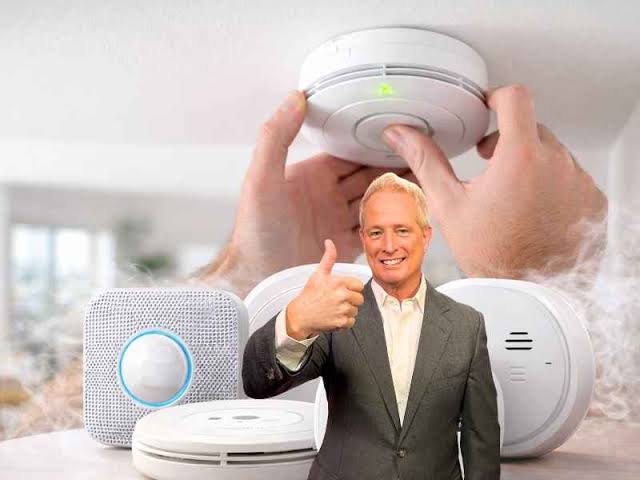
Smoke alarms are only useful when they can detect smoke and alert household members. Paint, dust, decorations, storage, or blocked placement can interfere with their function. The NFPA recommends smoke alarms inside every bedroom, outside each sleeping area, and on every level of the home, including the basement.
Five Resources for Smoke-Alarm Safety
1. National Fire Protection Association
The NFPA provides placement, installation, testing, and maintenance guidance for home smoke alarms.
2. U.S. Consumer Product Safety Commission
The CPSC advises using smoke and carbon monoxide alarms and testing existing alarms regularly as part of home safety.
3. The Home Depot
The Home Depot carries smoke alarms, carbon monoxide alarms, batteries, mounting hardware, and home-safety products.
4. Lowe’s
Lowe’s offers smoke alarms, CO alarms, batteries, and related safety accessories. Compare power source, interconnection, and feature requirements.
5. First Alert
First Alert manufactures smoke and carbon monoxide alarms. Follow the specific product’s placement, testing, cleaning, and replacement instructions.
Keep Alarms Accessible and Unobstructed
Do not paint over, tape over, cover, or hang objects from an alarm. Test alarms according to the manufacturer and NFPA guidance, keep the area around them clear, and replace units according to their stated service life. If nuisance alarms occur, address the cause and consult the manufacturer or a qualified professional rather than disabling the device.
For a home layout that keeps safety devices accessible, browse practical household planning. You can preserve a calm look without hiding important equipment through comfortable interior arrangement ideas.
For simple, unobtrusive decor choices, see useful home style inspiration.
Frequently Asked Questions
Where should smoke alarms be installed?
The NFPA recommends alarms inside every bedroom, outside each sleeping area, and on every level of the home, including the basement.
How often should I test a smoke alarm?
The NFPA advises using the test button regularly; follow the manufacturer’s instructions for your model and replace units as directed.
Can I silence a nuisance alarm permanently?
No. Address the source of the alarm and consult product guidance. A smoke alarm should remain operational to protect the household.
Keep the Alarm Ready to Work
Smoke alarms need clear placement, routine testing, and replacement at the end of their service life. Do not let convenience or decor interfere with a life-safety device.