Dry lawn soil can lose water faster than grass roots can use it, especially during hot, windy weather. Better mulching helps by covering exposed soil, slowing evaporation, moderating temperature swings, and gradually adding organic material. The goal isn’t to bury your grass. It’s to create conditions that help the soil hold moisture more effectively.
Why Lawn Soil Dries Out So Quickly
Several problems can leave a lawn thirsty even when you’re watering regularly. Sandy soil drains rapidly, compacted ground may prevent water from penetrating deeply, and bare patches expose the surface directly to sunlight.
A lawn can also develop dry areas when irrigation is uneven. Before adding more water, inspect the soil several inches below the surface. General home and garden reading can help you think about the wider maintenance picture, but the condition of your own soil should guide what you do next.
Watch Where the Water Goes
Run your sprinkler briefly and observe whether water soaks in or runs toward sidewalks and low spots. Runoff usually means the soil can’t absorb water at the rate you’re applying it.
How Mulch Helps Hold Moisture
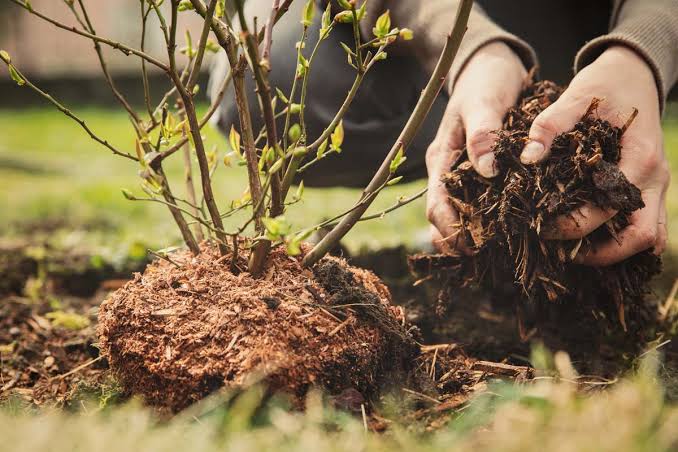
Mulching works because it creates a protective layer between soil and the surrounding air. Around trees, borders, and exposed lawn edges, organic mulch reduces direct sun exposure and slows surface drying.
For the lawn itself, finely chopped grass clippings can serve a similar purpose when left after mowing. They break down instead of forming a thick blanket when the grass is cut regularly. Broader household improvement ideas may encourage complicated solutions, but ordinary clippings are often the simplest material already available.
| Moisture Problem | Useful Response | Common Mistake |
|---|---|---|
| Fast surface drying | Add light organic cover | Leaving soil exposed |
| Water running off | Water more slowly | Increasing sprinkler flow |
| Bare lawn patches | Repair thin turf | Covering grass heavily |
| Soil compaction | Aerate when appropriate | Watering repeatedly |
Choosing Mulch Without Smothering Grass
Mulch belongs primarily around planting beds, shrubs, trees, and other areas where turf isn’t meant to grow. Wood chips, shredded bark, leaves, and composted organic material can all help protect exposed ground.
Keep thick mulch away from living grass blades. When improving dry lawn soil, the aim is moisture conservation rather than covering the turf itself. A wider range of practical outdoor topics can offer ideas, but layering heavy bark directly across a lawn will usually create another problem instead of fixing dryness.
Pair Mulching With Better Watering
Mulch can’t compensate for poor watering habits. Deep, less frequent irrigation generally encourages roots to grow farther into the soil than constant shallow sprinkling.
Water slowly enough that moisture penetrates rather than running away. Early morning watering is often practical because temperatures are lower and less moisture is lost before it enters the soil.
Check Before Watering Again
Push a screwdriver or narrow garden tool into the ground after irrigation. If only the top layer is damp, the watering session may have been too short.
Where Mulching Can Go Wrong
More mulch isn’t automatically better. Thick layers can hold excessive moisture against tree trunks, interfere with air movement, create hiding places for pests, or block light where grass is supposed to grow.
Fresh grass clippings can also become matted if the lawn is allowed to grow too tall before mowing. Remove unusually heavy clumps rather than leaving a wet layer across the turf. Mulching works best as one part of soil care, not as a substitute for drainage, irrigation, aeration, or lawn repair.
Frequently Asked Questions
Can mulch fix extremely sandy lawn soil?
Mulch can reduce surface moisture loss, while organic matter may gradually improve soil structure. Sandy soil may still require thoughtful watering because water can move through it quickly.
Should grass clippings stay on a dry lawn?
Short, finely cut clippings can usually remain where they fall. Heavy piles or wet clumps should be spread out or removed so they don’t block light and air.
Why is my lawn dry even after watering?
Possible causes include shallow irrigation, compacted soil, poor sprinkler coverage, excessive heat, sandy ground, or water running off before it penetrates deeply.
Build Moisture From the Soil Up
A greener lawn doesn’t come from pouring more water onto a problem indefinitely. Protect exposed soil, leave manageable grass clippings where appropriate, correct runoff, and encourage water to reach the root zone. Small improvements in how the soil handles moisture can make each watering session more useful and reduce the constant cycle of dry ground followed by emergency irrigation.