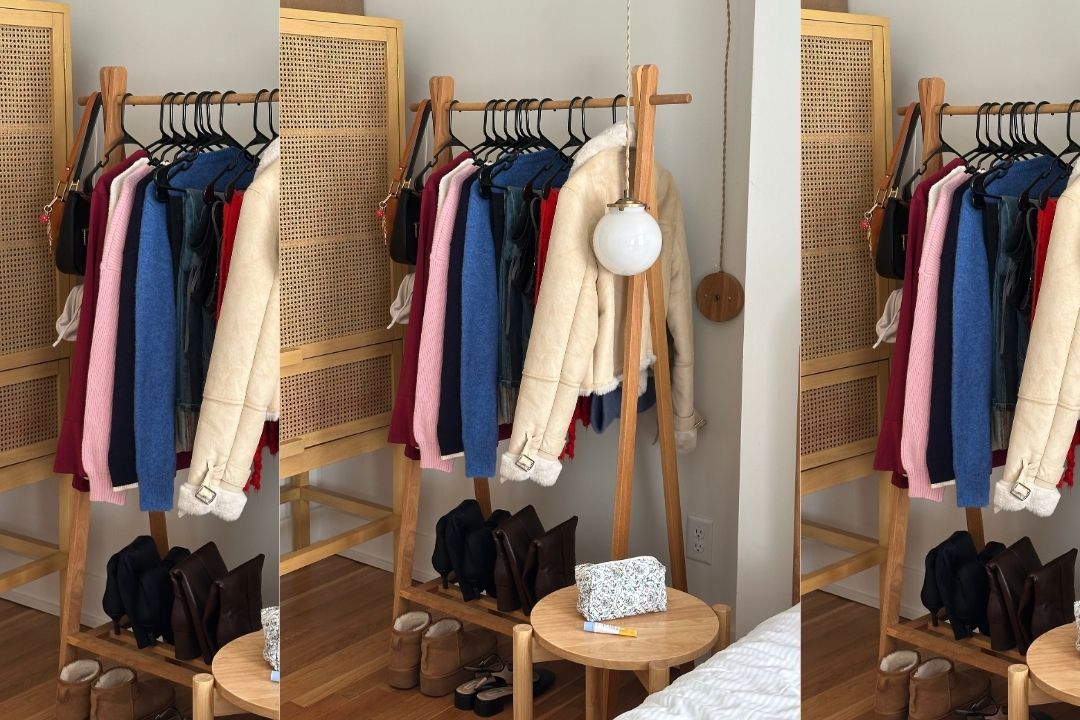
Duplicate purchases happen because shoppers remember an impression of their wardrobe rather than its actual contents. Another black top or pair of blue jeans can feel useful until it sits beside five nearly identical pieces at home. For U.S. shoppers, the simplest fix is to replace a fast emotional decision with a short, repeatable check. For broader style browsing, wardrobe audit ideas can provide extra ideas, but the purchase itself should still pass your personal checklist. The goal is not to make shopping rigid; it is to make each purchase easier to explain before money leaves the account.
Five Retailers and Platforms to Compare
The names below are not a ranking. They are examples of real U.S.-relevant retailers or marketplaces where the same decision rule can be applied in different shopping environments. Use each one to compare information, fit tools, condition details, or product variety rather than assuming the store name guarantees the right purchase.
1. Target
Target offers apparel alongside everyday household shopping and maintains a published returns process with item-specific exceptions. Because fashion can appear next to routine purchases, it is a practical setting for separating a planned clothing need from an unplanned add-on. For this topic, use Target as a place to compare the specific item against your own checklist instead of letting brand familiarity make the decision.
2. Gap
Gap publishes category-specific size charts and measuring tips for women, men, kids, and baby apparel. That makes it useful when you want to compare body measurements with a labeled size instead of relying on the number or letter alone. When shopping here, keep the article’s main rule in view: the individual garment still has to satisfy your fit, use, quality, and budget needs.
3. Macy’s
Macy’s sells clothing across many brands and notes that size charts are available on many product pages. A department-store assortment can help shoppers compare materials, cuts, and price levels without assuming that one brand’s sizing or quality standard applies to another. The useful habit is to treat Macy’s as one comparison point, then judge the item on its own details before deciding.
4. H&M
H&M sells trend-led apparel and basics online and in U.S. stores, with a published return process for eligible purchases. It can be a useful place to practice slowing down on low-cost fashion by checking material details, care needs, and how often an item is likely to be worn. This makes H&M most useful when you arrive with clear criteria and compare the product information with what your wardrobe actually needs.
5. Nordstrom Rack
Nordstrom Rack is an off-price retailer for apparel, footwear, and accessories, and its return policy distinguishes eligible items from final-sale merchandise. The discount setting makes it especially relevant when you need to judge the item itself rather than the size of the markdown. Use the information available at Nordstrom Rack to narrow choices, but make the final call from the garment’s measurements, materials, condition, and likely use.
What Should You Check Before Buying?
Before shopping, take a quick look at the category you plan to buy. Count similar colors, silhouettes, and functions, then note what is genuinely missing. Keep simple wardrobe photos or a note listing core pieces. When considering a new item, compare it with the closest item you already own and identify one meaningful difference. For another source of general fashion reading, closet planning guidance can be useful while you keep the actual decision tied to the item in front of you. Write the rule down if you tend to forget it while browsing; a visible reminder is often more useful than relying on willpower in a busy store.
Frequently Asked Questions
How can I stop buying duplicate clothes?
Review the relevant part of your wardrobe before shopping and keep a short list of what you already own. Photos on your phone can make comparison easy in stores.
Is owning similar basics always wasteful?
No. Duplicates can be practical when they are worn frequently, serve different settings, or reduce laundry pressure. The issue is unplanned repetition without added use.
What counts as a meaningful difference between similar items?
Fit, fabric weight, season, dress level, color, length, and function can all create useful differences. A tiny design change usually does not justify another purchase by itself.
A Practical Way Forward
Duplicate buying is mostly a visibility problem. When you know what is already in the closet, the missing pieces become clearer and the almost-the-same purchases become easier to leave behind. For additional duplicate-buy prevention notes, you can browse duplicate-buy prevention notes. The strongest shopping habit is not finding the perfect store; it is using the same clear standards wherever you buy.