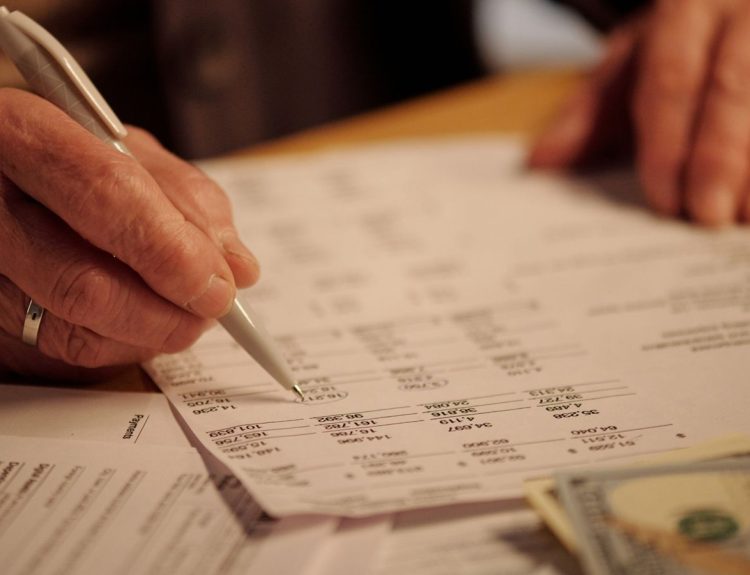
Secured debt creates a different set of bankruptcy concerns because the debt is tied to specific property. A mortgage, vehicle loan, or other collateral-backed obligation cannot be evaluated only by looking at the outstanding balance. The property’s value, payment status, equity, exemptions, and the debtor’s long-term goals can all affect what happens next.
What Makes a Debt Secured?
A secured creditor generally has an interest in particular property that serves as collateral. If the required payments are not made, the creditor may have rights involving that property, subject to bankruptcy rules and court orders.
The U.S. Courts’ Bankruptcy Basics materials explain the federal bankruptcy process and provide a useful starting point for understanding how different claims are treated.
The Debt and the Lien Are Different Issues
Bankruptcy may affect a debtor’s personal responsibility for a debt without automatically eliminating a valid lien. That distinction matters when someone hopes to keep a financed vehicle, home, or other secured property.
Review the Collateral Before Choosing a Direction
Start by identifying what property secures each obligation. Record the current balance, estimated property value, payment status, loan documents, and any notices received from the creditor.
People researching debt problems may encounter broad legal discussions through legal information resources, but bankruptcy decisions should be based on the documents and rules that apply to the actual case.
| Issue | What to Review | Why It Matters |
|---|---|---|
| Vehicle loan | Balance and value | Shows possible equity |
| Mortgage | Payment status | May affect retention plans |
| Other collateral | Security agreement | Identifies creditor rights |
| Co-signed debt | Other liable party | Bankruptcy may not protect them |
Keeping Property Can Change the Analysis
A debtor who wants to surrender collateral may approach a secured obligation differently from someone determined to retain it. Keeping property can involve continued payments or other requirements depending on the bankruptcy chapter, agreement, and circumstances.
General law-related publishing material may discuss debt disputes from many angles, yet it cannot establish what a particular bankruptcy court will require in an individual case.
Equity Deserves Attention
Equity is the difference between a property’s value and debt secured against it. Exemptions and bankruptcy chapter rules can influence how that equity is treated, so rough assumptions about property value can create problems.
What People Commonly Misunderstand
One frequent mistake is assuming that listing a secured debt automatically means the collateral can be kept without further payments. Another is believing bankruptcy always removes the creditor’s property interest.
The U.S. Courts explains that a bankruptcy discharge can remove personal liability for certain debts while a valid lien that has not been avoided may remain enforceable. That is why secured debt requires separate attention to both personal liability and collateral.
Organize the Documents Before Filing
Gather contracts, current statements, payment records, title documents, valuation information, and creditor notices. Compare those records with the schedules being prepared for the bankruptcy case.
Broader legal question resources may help readers identify terminology they want to research, but filing documents should reflect complete and accurate information rather than assumptions gathered online.
When Legal Help Matters Most
Consider speaking with a qualified bankruptcy attorney when valuable collateral is involved, foreclosure or repossession activity has started, equity is difficult to calculate, or several liens affect the same property. Deadlines and local procedures can matter.
Legal advice may also be useful before transferring, selling, refinancing, or surrendering property shortly before a bankruptcy filing.
Frequently Asked Questions
Does bankruptcy automatically remove a lien?
No. A discharge may eliminate personal liability for some debts, but a valid lien can sometimes remain attached to collateral unless bankruptcy law provides another basis for changing or avoiding it.
Can someone keep a financed car after filing bankruptcy?
Possibly. The answer depends on factors such as the bankruptcy chapter, equity, payment status, exemptions, creditor rights, and how the secured obligation is handled during the case.
Why should collateral value be checked before filing?
Property value helps determine equity. Equity can affect exemption analysis, trustee concerns, and decisions about whether keeping or surrendering secured property makes financial sense.
Make the Property Decision Before the Filing Decision
Secured debt should be reviewed as a combination of an obligation and a property interest. List each secured creditor, identify the collateral, check balances and values, and decide what property matters most to your long-term plan. If significant equity or active collection action is involved, obtain legal guidance before making irreversible changes.
This article is for general informational purposes and is not a substitute for professional legal advice.