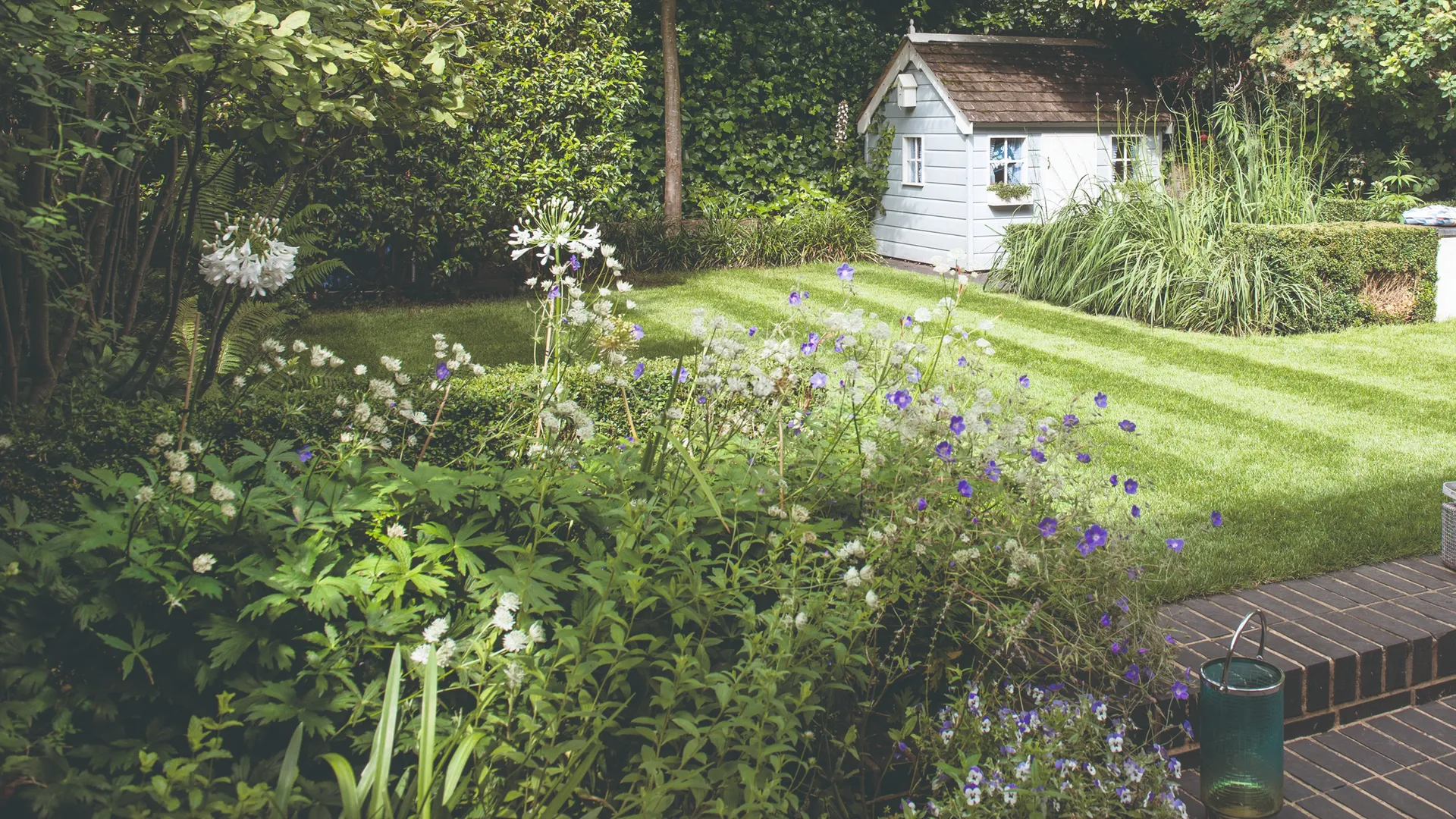
A dim corner of the yard doesn’t have to stay bare or become a dumping ground for unused pots. Shady garden corners can support attractive foliage, seasonal flowers, and ground covers when plants are chosen for the actual light conditions rather than for how sunny the garden feels overall.
Success begins with understanding the type of shade you have and matching plants to it.
Identify the Kind of Shade First
Not every shady spot receives the same amount of light. A bed beside a north-facing wall may stay dim most of the day, while an area beneath a tree might receive shifting patches of sunlight.
Watch the corner at several times during the day before buying plants. People gathering ideas from shade garden reading still need to compare those suggestions with the conditions in their own yards.
Full Shade Versus Partial Shade
Partial shade normally means the area receives some direct sun, while deeper shade gets little direct sunlight. Morning sun is usually gentler than strong afternoon exposure.
Tree canopies create another condition called dappled shade. Plants beneath them receive changing light as the sun moves and leaves shift.
Choose Plants for Foliage as Well as Flowers
Shade gardens often look best when foliage carries much of the visual interest. Hostas, ferns, heucheras, and similar shade-tolerant plants can provide different leaf shapes, sizes, and textures.
Instead of expecting constant blooms, combine plants that remain attractive after flowering ends. Browsing broader gardening coverage may provide inspiration, but plant labels and local growing guidance should determine whether a species suits your climate.
| Garden Condition | Useful Plant Trait | Practical Approach |
|---|---|---|
| Deep shade | Strong foliage | Mix leaf shapes |
| Dappled shade | Woodland tolerance | Plant beneath trees |
| Morning sun | Moderate light needs | Use flowering shade plants |
| Dry shade | Drought tolerance | Improve soil first |
Improve Soil Before Planting
Dark garden corners sometimes have another problem: poor soil. Areas under mature trees can be especially dry because established roots compete strongly for available moisture.
Add suitable organic matter where practical without piling material deeply around tree trunks. A layer of mulch can reduce evaporation and help protect the soil surface.
Good drainage matters too. A shaded location that stays wet after rainfall requires different plants from a dry bed beneath dense branches. When comparing practical garden features with other online material, keep these site-specific differences in mind.
Build Interest With Layers
A single row of identical plants can make a shaded corner look flatter than it needs to. Layering gives the space more depth.
Place taller foliage toward the back, medium-height plants through the center, and lower ground covers along the edge. Containers can provide extra height where digging is difficult.
Use Contrast Instead of Bright Sunlight
Variegated leaves, pale flowers, silver-green foliage, and glossy leaves can stand out in dimmer locations. Dark foliage can work too, but it usually benefits from being placed beside something lighter.
Repeating two or three leaf shapes across the bed can make the arrangement feel intentional without making it overly formal.
Common Shade-Garden Mistakes
One frequent mistake is buying a plant simply because the tag says “shade.” Shade tolerance varies, and a plant that performs well with several hours of filtered light may struggle in a corner receiving almost no usable sunlight.
Overwatering is another issue. Because shaded soil can dry more slowly, watering on the same schedule as a sunny bed may keep roots unnecessarily wet. Check the soil rather than relying only on a calendar.
Also avoid forcing sun-loving flowering plants into dim positions. Weak growth and limited flowering are often signs that the location does not provide enough light.
Frequently Asked Questions
Can flowering plants grow in a shady garden?
Yes. Many plants can flower with limited direct sunlight, especially in partial or dappled shade. The best options depend on climate, soil moisture, and how many hours of usable light reach the bed.
What can I plant under a mature tree?
Choose plants that tolerate both shade and competition from established roots. Ferns and certain woodland ground covers may work, but avoid damaging major tree roots when preparing planting holes.
How can I brighten a dark garden corner?
Use light-colored foliage, pale flowers, reflective containers, and contrasting leaf textures. Keeping nearby shrubs properly pruned may also allow additional filtered light into the area.
Make Shade an Asset
A shady corner becomes easier to manage once you stop treating it like a failed sunny bed. Observe its light, moisture, and soil first, then choose plants adapted to those conditions. With layered foliage and a few carefully placed flowering plants, an overlooked patch can become one of the garden’s most distinctive areas.