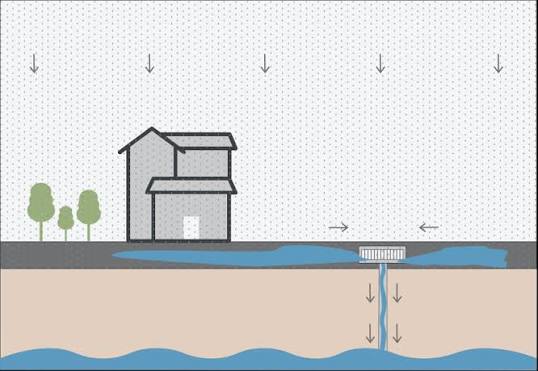
Stormwater problems often begin long before the first serious rain. Grading, exposed soil, temporary access roads, material storage, and poorly placed drains can turn an ordinary construction project into a compliance problem.
For U.S. projects, EPA states that Clean Water Act stormwater permitting generally applies when construction disturbs one acre or more, including smaller sites that are part of a larger common development disturbing at least one acre.
Check Stormwater Duties During Project Planning
Drainage should be considered while the site plan is still flexible. Waiting until excavation begins can leave contractors trying to place controls around roads, structures, utilities, and stockpiles that have already been positioned.
Potential requirements vary by state and permitting authority. A project may need permit coverage, an erosion and sediment control plan, inspections, documentation, stabilization measures, and procedures for handling construction-related pollutants.
Look Beyond the Property Boundary
Water does not respect project lines. Runoff may leave a site through a ditch, curb, storm drain, neighboring parcel, or natural drainage feature.
Teams researching regulatory responsibilities may consult environmental legal information while determining which agency, permit, or professional should be consulted. General online material should not replace the actual permit conditions governing a site.
Control Exposed Soil and Construction Pollutants
Sediment is a major concern, but it is not the only one. EPA identifies construction-related pollutants such as debris, oil and grease, concrete washout, chemicals, sanitary waste, nutrients, and pesticides that stormwater can carry away from disturbed areas.
Controls therefore need to match site activities rather than relying on one line of silt fence.
| Site Issue | Possible Control | Planning Question |
|---|---|---|
| Exposed soil | Stabilization | How long will soil remain bare? |
| Runoff path | Diversion or inlet protection | Where will water travel? |
| Material storage | Covered containment | Can rain contact pollutants? |
| Site exit | Track-out control | Will sediment reach streets? |
Keep Inspections Connected to Real Conditions
A control shown on a drawing is useful only if it works after installation. Construction changes drainage patterns constantly as excavation advances, utilities are opened, and temporary grades shift.
Broader regional information resources may expose readers to environmental topics, but site compliance decisions should be based on the permit, regulator instructions, engineering information, and actual field conditions.
Correct Problems Before the Next Storm
Inspections should identify failed barriers, clogged inlets, sediment accumulation, damaged stabilization, uncontrolled discharge paths, and construction materials exposed to rainfall.
Documentation matters too. Inspection reports, photographs, maintenance records, corrective-action notes, and permit documents can help establish what was observed and what was done afterward.
Account for Final Drainage Early
Temporary erosion controls receive plenty of attention during construction, yet permanent drainage can create expensive problems if considered too late.
Roof runoff, paved areas, grading, detention systems, infiltration features, and discharge points should work together. A late redesign can affect elevations, landscaping, utilities, parking, and usable property area.
Readers comparing general online reporting with regulatory material should remember that stormwater obligations are jurisdiction-specific. The permit authority and applicable code remain the controlling sources.
Where Stormwater Planning Goes Wrong
A common mistake is treating erosion control as something added after design is complete. That approach can leave too little space for treatment features or create runoff routes that are difficult to control.
Another mistake is assuming a dry site poses little risk. Compliance concerns often become obvious only after rainfall exposes weaknesses in grading, stabilization, storage practices, or discharge controls.
Frequently Asked Questions
Does every construction project need a stormwater permit?
No. Permit applicability depends on factors including disturbed acreage, whether the site belongs to a larger common development, discharge conditions, and applicable federal, state, or local rules.
Can stormwater controls change during construction?
Yes. Site conditions frequently change, and controls may need adjustment when drainage paths, disturbed areas, access routes, or construction phases change.
Is a drainage plan the same as stormwater permit compliance?
Not necessarily. Engineering drainage design and regulatory stormwater compliance overlap, but permits can impose additional erosion, pollution-prevention, inspection, documentation, and stabilization requirements.
Plan Before Disturbing the Site
Stormwater compliance is easier when drainage, erosion control, material handling, and permanent runoff management are considered before construction starts. Identify the permit authority, determine what requirements apply, and make space for workable controls while design changes are still practical.
This article provides general informational material and is not a substitute for legal, engineering, or regulatory advice.