Weak fruit trees often show the problem through thin growth, small harvests, yellowing leaves, or branches that struggle to hold new fruit. Better pruning, feeding, and watering can help restore steady growth, but each task needs the right timing and balance.
The goal isn’t to push the tree into rapid growth. A healthier approach is to remove unnecessary stress and give roots, branches, and fruiting wood the conditions they need to recover.
Start by Reading the Tree’s Growth
Before cutting branches or adding fertilizer, look at the whole tree. Check whether new shoots are forming, where leaves appear thin, whether branches cross each other, and if the canopy blocks light from reaching the center.
Gardeners comparing broader plant-care ideas sometimes encounter independent gardening perspectives alongside nursery advice and extension resources. Whatever you read, the condition of the specific tree should guide your next move.
A tree with dense foliage but poor fruit may need different care from a tree producing very little new growth. Soil drainage, age, recent weather, pests, and previous pruning can all affect what you see above ground.
Prune for Structure Rather Than Size
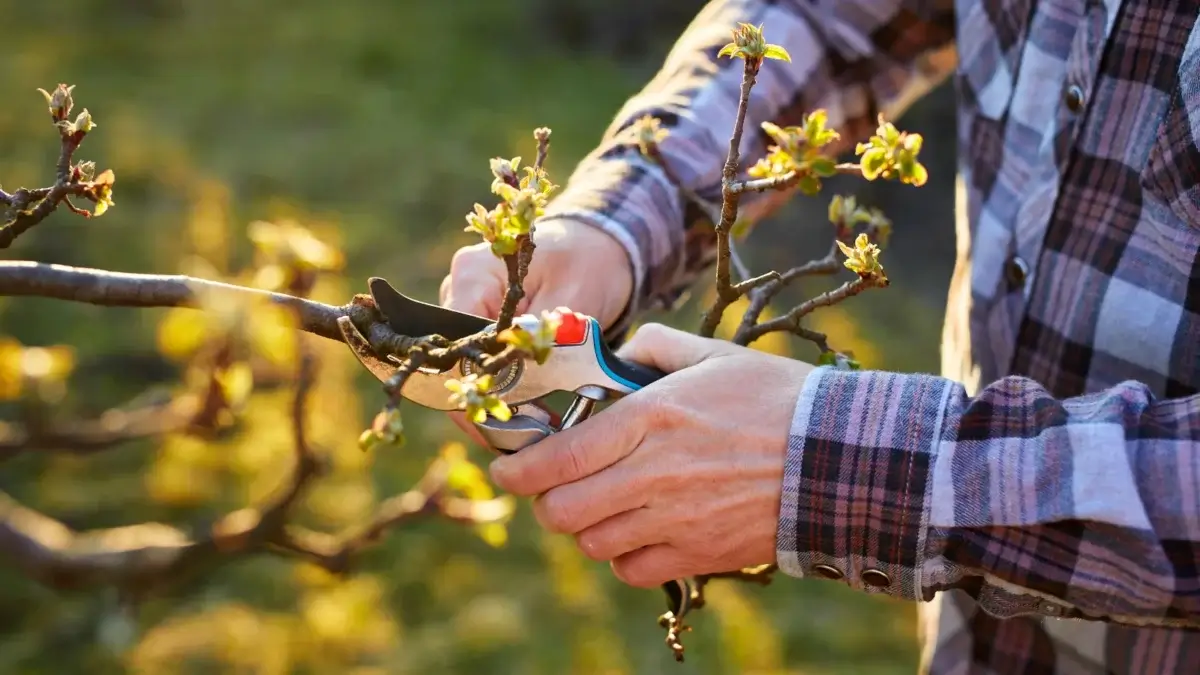
Pruning works best when it improves the tree’s shape and light distribution. Start with dead, damaged, or diseased wood, then consider branches that rub against each other or grow toward the center.
Some gardeners use creative outdoor planning ideas when thinking about how plants fit into an entire yard. With fruit trees, however, appearance should remain secondary to healthy branch spacing and productive wood.
Avoid Removing Too Much at Once
Heavy pruning can stimulate vigorous leafy shoots while delaying fruit production. An older neglected tree may need gradual correction over more than one season rather than one severe cutting session.
Use clean, sharp tools and make deliberate cuts. Randomly shortening every branch can leave a dense cluster of new shoots instead of the open, balanced structure you wanted.
Feed According to Need
Fruit trees require nutrients, but fertilizer isn’t a cure for every weak tree. Adding more nitrogen to a tree already growing long green shoots may create even more leaves without improving fruiting.
Resources covering practical home and garden reading can provide useful background, while local extension guidance and soil testing are better suited to determining nutrient needs in a specific yard.
| Tree Condition | Possible Issue | Better Response |
|---|---|---|
| Long shoots, little fruit | Excess nitrogen | Reduce unnecessary feeding |
| Pale leaves, weak growth | Nutrient or root issue | Check soil and roots |
| Small fruit | Stress or heavy crop | Improve water and thinning |
| Sparse canopy | Multiple possible causes | Diagnose before fertilizing |
Organic mulch can also help by moderating soil temperature and reducing moisture loss. Keep mulch away from direct contact with the trunk so the bark doesn’t remain constantly damp.
Water Deeply Without Keeping Roots Soggy
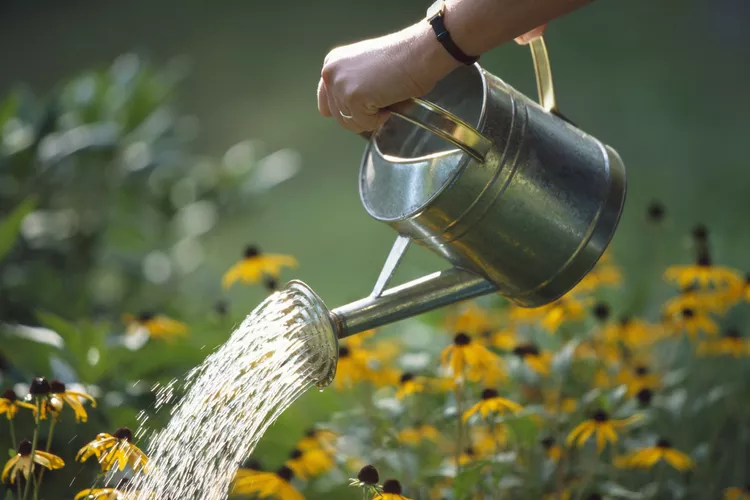
Frequent shallow watering encourages roots to remain near the soil surface. A slower, deeper watering pattern usually supports stronger root development because moisture reaches farther into the root zone.
Conditions matter more than a fixed calendar. Sandy soils dry quickly, heavy soils hold moisture longer, and established trees generally behave differently from newly planted ones.
Check the soil before automatically adding water. Constantly wet soil can reduce oxygen around the roots and create problems that resemble drought stress.
Common Mistakes That Slow Recovery
One mistake is trying to solve several problems aggressively at once. Heavy pruning, strong fertilizer, and excessive watering applied together can add stress rather than remove it.
Another is assuming weak fruit production means the tree needs more food. Poor pollination, shade, frost damage, overcrowded branches, unsuitable varieties, or root problems can all reduce a harvest. Diagnose the pattern before choosing the treatment.
Frequently Asked Questions
Can a weak fruit tree become productive again?
Often, yes. Trees weakened by poor pruning, inconsistent watering, excessive competition, or manageable nutrient problems may improve when those stresses are corrected. Recovery depends on the tree’s age, health, root condition, and the underlying cause.
Should fruit trees be fertilized every year?
Not automatically. Growth, leaf color, soil condition, and previous fertilizer applications should be considered first. Trees receiving nutrients from surrounding lawn treatments may already be getting more nitrogen than expected.
Does pruning increase fruit production?
Proper pruning can improve light penetration, airflow, and productive branch structure. Excessive pruning may have the opposite effect by stimulating leafy growth or removing fruiting wood.
Build Strength Gradually
A weak fruit tree usually responds better to consistent care than dramatic intervention. Observe its growth, prune with a purpose, feed only when there is a reason, and adjust watering to soil conditions rather than habit.
Small corrections made at the right time can improve both tree health and future harvests. Give the tree a growing season to show how it responds before making another major change.