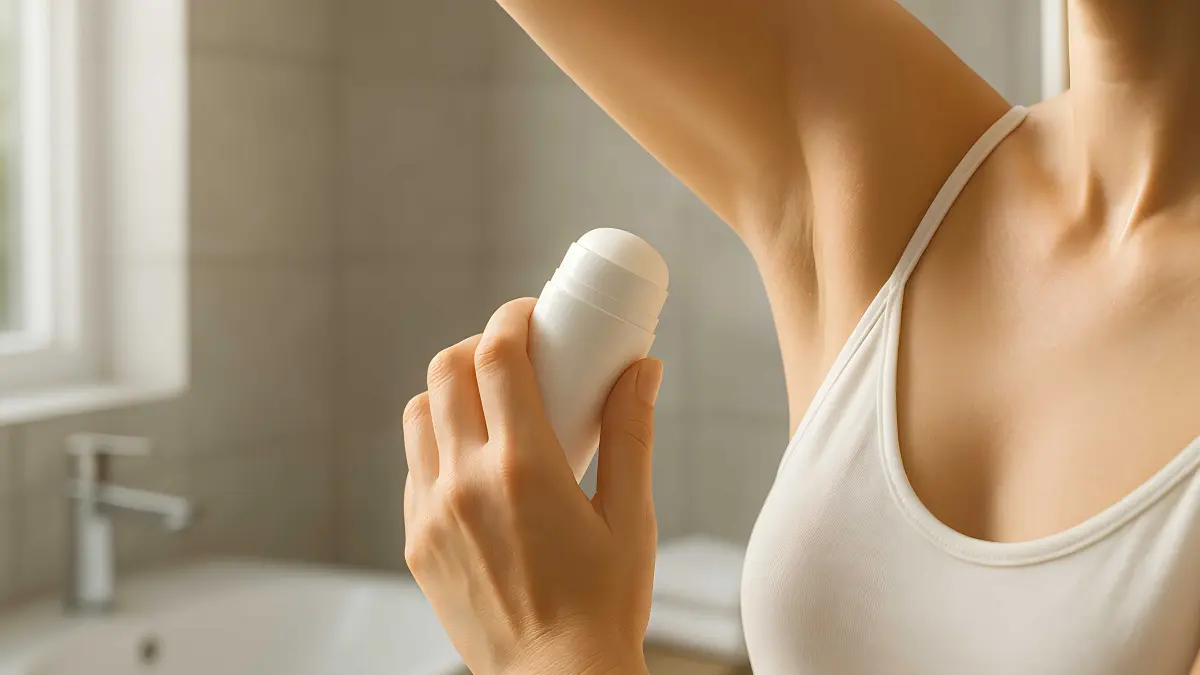
Underarm skin deals with sweat, rubbing, shaving, deodorant, and tight clothing in a relatively enclosed area. That combination can make irritation surprisingly easy to trigger. Dark underarm irritation may improve when you reduce friction, simplify the products touching the area, and give damaged skin time to recover.
Persistent discoloration or discomfort deserves more attention, especially when the skin becomes thick, painful, swollen, or repeatedly inflamed.
Why Underarm Skin Becomes Irritated
Friction is a frequent contributor. Skin can rub against skin or clothing throughout the day, particularly during exercise or hot weather. Shaving adds another source of minor surface injury.
Personal-care products matter too. Fragrances and other ingredients in deodorants can cause irritant or allergic contact dermatitis in some people. The American Academy of Dermatology notes that the underarms are one location where reactions to personal-care products can develop.
People reading broader health topics online may encounter many explanations for underarm changes, but appearance alone doesn’t reliably identify the cause.
Give the Skin a Gentler Routine
Start by removing unnecessary irritation. Wash with lukewarm water and a mild, fragrance-free cleanser rather than repeatedly scrubbing the area. Pat the skin dry instead of rubbing it with a towel.
If irritation began after introducing a deodorant, shaving product, fragrance, or body wash, temporarily stopping the suspected product may help clarify the pattern. The AAD describes product removal and careful reintroduction as one way of identifying possible contact triggers.
When comparing skin-care information from different online sources, favor recommendations that protect the skin barrier rather than promising instant whitening or aggressive exfoliation.
Why Darkening Can Follow Irritation
Inflamed or repeatedly injured skin can remain discolored even after the original irritation settles. This is one reason aggressive scrubbing may backfire: more friction can prolong the cycle rather than removing the discoloration.
A simple routine often makes more sense than layering acids, scrubs, deodorants, perfumes, and home remedies together. Broader general wellness resources may be useful for everyday reading, but medical evaluation remains more appropriate when discoloration has an unusual texture or persistent symptoms.
| Change | Possible Context | Better Response |
|---|---|---|
| Mild burning | Shaving or product irritation | Pause irritating products |
| Dry, itchy skin | Contact dermatitis or dryness | Gentle cleansing and moisture |
| Dark marks | Repeated inflammation or friction | Reduce rubbing and irritation |
| Tender bumps | Follicle irritation or another condition | Avoid picking and monitor |
What Often Makes the Problem Worse
Trying to scrub dark skin away is a common mistake. Rough exfoliation, strong acids, undiluted home mixtures, or repeated shaving can produce more inflammation and make the area feel raw.
Another mistake is changing several products at once. If the skin improves or worsens, you won’t know which change mattered. A simpler routine makes patterns easier to identify and lowers the number of potential irritants touching already sensitive skin.
When Should Underarm Changes Be Evaluated?
Seek medical advice if irritation is persistent, increasingly painful, draining pus, producing open sores, or spreading beyond the underarm. Recurrent deep lumps also deserve evaluation rather than repeated squeezing.
Thick, velvety darkening that develops without an obvious irritation trigger should also be discussed with a clinician. Similarly, a rash that repeatedly returns despite avoiding suspected products may need examination or allergy testing.
The American Academy of Dermatology’s contact dermatitis guidance provides additional information about symptoms associated with skin reactions.
Frequently Asked Questions
Can deodorant make underarms itchy and dark?
Some deodorant ingredients can irritate sensitive skin or trigger contact dermatitis. Repeated inflammation may also leave discoloration. Consider stopping a newly introduced product and choosing a fragrance-free alternative if irritation appears connected to use.
Should I exfoliate dark underarms every day?
Daily aggressive exfoliation can increase friction and irritation. Gentle skin care is usually a safer starting point, especially if the area already burns, stings, itches, or feels tender.
How long does irritated underarm skin take to look normal?
Recovery depends on the cause and how much inflammation occurred. Surface irritation may settle before discoloration fades. Persistent, worsening, thickened, or unexplained changes should be assessed rather than repeatedly treated at home.
Let the Skin Recover Before Adding More
Underarm irritation often becomes harder to settle when too many products and treatments are used together. Reduce rubbing, avoid suspected irritants, keep cleansing gentle, and watch how the skin responds. If discomfort or unusual discoloration continues despite those changes, a dermatologist can help determine whether contact dermatitis or another skin condition is involved.
This article is for general informational purposes and is not a substitute for professional medical advice, diagnosis, or treatment.