School zones demand more attention than ordinary streets because children can move unpredictably and drivers often have less time to react. Reducing speed, scanning both sides of the road, and staying ready to stop are the simplest ways to make school zone driving safer.
The biggest mistake is treating a familiar school route like any other commute. Conditions can change quickly when buses, parents, crossing guards, cyclists, and students arrive at the same time.
Why School Zones Need Extra Attention
Children may step from between parked vehicles, cross after a friend, or misjudge the speed of approaching traffic. Their smaller size can also make them harder to see around SUVs, buses, and roadside objects.
Drivers should scan beyond the vehicle directly ahead. Look toward sidewalks, crosswalk entrances, parked cars, and school driveways so developing hazards are noticed early rather than after someone enters the road.
Slow Down Before the Busy Area
Reducing speed before reaching the busiest section gives you more time to recognize movement and respond smoothly. Sudden braking is less likely when you create that extra reaction margin early.
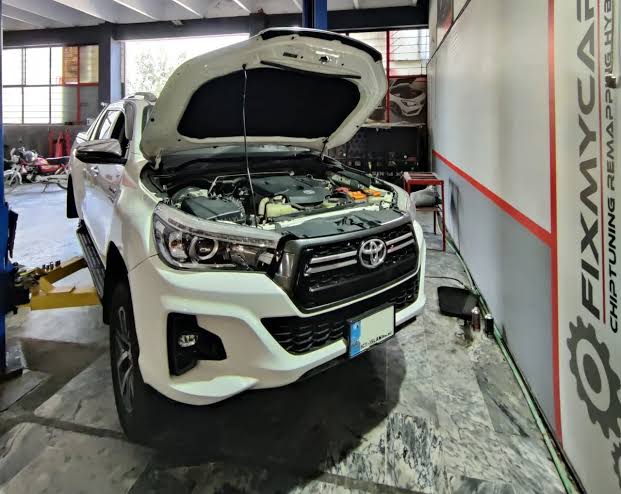
Drivers interested in broader vehicle operation resources may encounter many discussions about road awareness, but practical school-zone safety still starts with simple habits: lower speed, fewer distractions, and constant observation.
Leave More Following Distance
Extra space helps when traffic stops unexpectedly near crossings or pickup areas. A driver ahead may brake for a child that you cannot yet see.
Following closely adds pressure without saving meaningful travel time. Maintaining space makes the entire traffic flow calmer and gives you options if the vehicle ahead stops abruptly.
Watch Crosswalks and Roadside Movement
A marked crossing is an obvious place to watch, but children do not always cross exactly where markings appear. Keep scanning the full roadside rather than focusing only on painted lines.
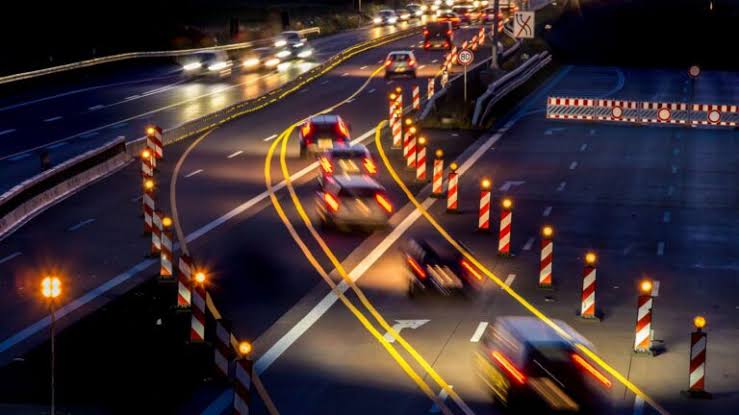
Good road care awareness also includes noticing temporary hazards such as delivery vehicles, double-parked cars, cones, or maintenance activity that can narrow visibility around a school entrance.
| Situation | Main Risk | Safer Response |
|---|---|---|
| Parked cars | Hidden pedestrians | Slow and scan gaps |
| Busy crosswalk | Sudden crossing | Prepare to stop |
| School bus nearby | Children entering road | Increase attention |
| Heavy pickup traffic | Limited visibility | Leave more space |
Check Tires, Brakes, and Visibility
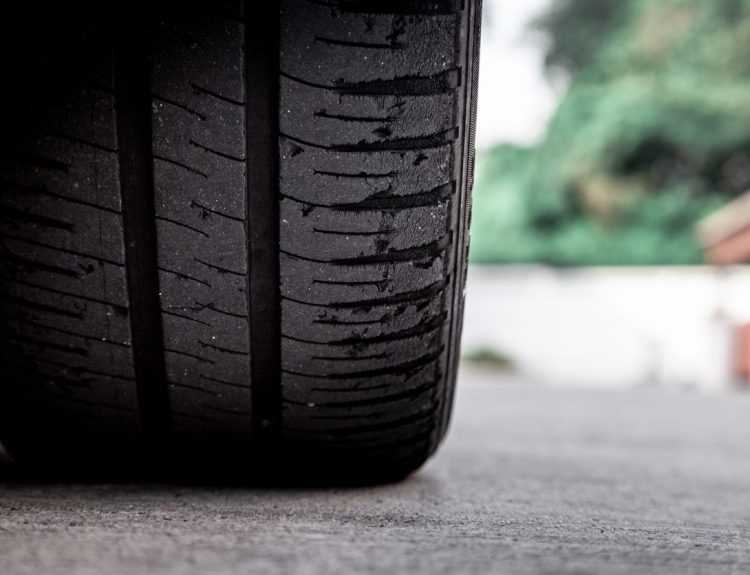
Driver awareness matters most, but vehicle condition still affects how safely you can respond. Worn tires, poor windshield visibility, weak lighting, or delayed brake maintenance can make ordinary hazards harder to manage.
Basic tire safety information can fit into a wider approach to vehicle readiness. Drivers should address obvious maintenance problems before relying on a vehicle for crowded school runs and daily commuting.
Common School Zone Mistakes
One common error is following the speed of surrounding traffic instead of paying attention to the environment. Other drivers may be moving too fast for current conditions, especially when visibility is restricted.
Phone use is another serious distraction. Even a short glance away can matter when a child, cyclist, crossing guard, or stopping vehicle enters your path. School zones are poor places for multitasking behind the wheel.
Drivers should also avoid impatient passing around buses, pickup queues, or vehicles slowing near crossings. A stopped vehicle may be yielding to someone you cannot see.
Frequently Asked Questions
Should drivers slow down even when no children are visible?
Yes. Limited visibility around parked cars, buses, buildings, and landscaping can hide pedestrians until they are close to the roadway. A lower speed gives you more time to react if conditions change suddenly.
Why is following distance important near schools?
Traffic can stop quickly for pedestrians, buses, turning parents, or crossing guards. More distance reduces the chance of rear-end collisions and allows smoother braking instead of a sudden emergency stop.
What distractions matter most in school zones?
Phones, navigation screens, eating, searching for parking, and looking toward passengers can all pull attention away from the road. The safest approach is to handle those tasks before entering the busy school area.
Make Patience Part of the Drive
Safe school zone driving is mostly about giving yourself time to notice what is happening. Reduce speed early, watch beyond the car ahead, protect your following distance, and assume that visibility may be incomplete.
A few extra seconds behind the wheel are a small cost compared with the risk created by rushing through an area full of pedestrians and unpredictable movement.