A weak battery can turn an ordinary road trip into an unexpected stop before the journey even begins. Travel battery problems often give small warnings first, including slower engine cranking, dim lights, or electrical accessories behaving differently. Checking battery condition and charging performance before departure gives you time to address trouble while the vehicle is still at home.
Check Battery Condition Before Packing the Car
Start with a basic visual inspection. Look around the battery case for swelling, cracking, leaking, or obvious corrosion around the terminals. Heavy buildup can interfere with electrical connections even when the battery itself still holds a charge.
Age matters as well. Battery performance gradually declines, and heat, cold, repeated short trips, and long periods of inactivity can speed that process. Drivers researching broader battery care reading may encounter many maintenance opinions, but an actual battery test provides more useful information than appearance alone.
A shop or battery tester can check available voltage and how well the battery performs under load. That matters because a battery may appear charged until the starter asks it to deliver substantial current.
Make Sure the Charging System Is Doing Its Job
The battery is only one part of the starting and charging system. Once the engine runs, the alternator normally supplies electricity and helps replenish energy used during starting. A battery that repeatedly goes flat may therefore point to charging trouble rather than battery failure alone.
Before a long drive, pay attention to warning lights, unusual belt noises, flickering lights, or repeated charging problems. General automotive reference pages can help drivers understand vehicle systems, but electrical symptoms still need proper testing when the cause isn’t obvious.
| Check | What You May Notice | Useful Response |
|---|---|---|
| Battery terminals | Corrosion or looseness | Clean or secure them |
| Starting behavior | Slow engine cranking | Test battery condition |
| Charging system | Battery light stays on | Inspect charging system |
| Accessories | Lights dim unexpectedly | Check electrical output |
A charging-system test can separate a weak battery from an alternator, cable, or connection problem. Replacing the battery without identifying the true cause may leave you stranded again.
Reduce Battery Strain During the Trip
Road trips often place different demands on the electrical system. Phones, navigation devices, coolers, cameras, entertainment equipment, and chargers may all be plugged in at once. Most healthy charging systems handle ordinary accessories, but problems become more noticeable when the battery or alternator is already weak.
Avoid leaving high-draw accessories running for extended periods while the engine is off. If you’re researching departure preparation through broader online resources, keep the electrical checklist simple: reliable starting, secure terminals, normal charging, and no unexplained warning lights.
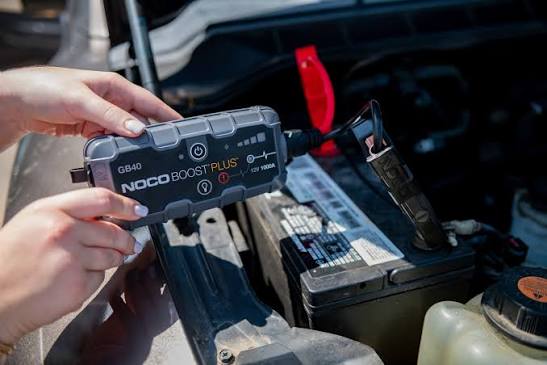
Carry jumper cables or a properly maintained portable jump starter if practical. They can help after an accidental discharge, but they shouldn’t become a substitute for repairing a recurring electrical fault.
Mistakes That Can Leave Drivers Stranded
One common mistake is assuming a battery must be healthy because the engine started normally yesterday. Battery failures can appear suddenly, particularly when an aging unit is exposed to temperature changes or repeated starts.
Another mistake is replacing parts based only on guesswork. A slow start can involve the battery, terminals, starter, cables, charging system, or another electrical issue. Testing first usually prevents unnecessary parts replacement and gives you a better idea whether the vehicle is ready for a long journey.
Frequently Asked Questions
Should I test my battery before every road trip?
A full professional test isn’t necessary before every short drive, but checking an older battery or investigating recent slow starting before a long trip is sensible. A simple pre-trip inspection can also reveal loose terminals or corrosion.
Can a long drive recharge a weak battery?
Driving may recharge a battery that was temporarily discharged if the charging system is healthy. It cannot restore a battery that has deteriorated internally, and repeated discharge usually deserves further diagnosis.
What should I carry for a battery emergency?
Jumper cables or a portable jump starter can be useful. Keep the equipment accessible rather than buried under luggage, and learn how to use it correctly before the trip.
Make the Start of the Trip Reliable
Battery trouble is easier to handle in your driveway than beside an unfamiliar highway. Check starting behavior, battery connections, and charging performance before departure, especially if the vehicle has recently shown electrical symptoms. A short inspection and proper test can prevent a simple weakness from becoming the first breakdown of the journey.