Replacing a car battery repeatedly is rarely a good long-term strategy. Frequent battery replacements can point to charging problems, parasitic electrical loads, loose connections, driving habits, or another issue that keeps shortening battery life.
Before paying for another battery, check why the existing one keeps losing charge. A basic charging-system diagnosis may prevent the same expense from returning a few months later.
Check the Charging System Before Blaming the Battery
The alternator supplies electrical power while the engine runs and helps restore energy used during starting. If its output is inconsistent, even a healthy battery may remain undercharged.
Connections matter too. Corrosion, loose terminals, damaged cables, or poor grounds can interrupt charging and create symptoms that look like a failing battery.
Drivers reading about vehicle electrical basics may encounter plenty of component-level information, but diagnosis should still begin with testing the battery, charging output, and major connections together. Replacing one component without checking the rest can leave the original problem untouched.
Look for Power Draw While the Car Is Parked
Some vehicles lose battery power because an electrical device continues drawing current after the ignition is switched off. Interior lights, aftermarket electronics, faulty switches, control modules, and accessories can all contribute.
A garage routine that includes checking lights and accessories before locking the vehicle can catch simple causes. Broader garage maintenance planning can also help owners treat battery care as part of regular vehicle upkeep rather than an emergency purchase.
| Possible Issue | Typical Clue | Useful Check |
|---|---|---|
| Weak charging | Battery repeatedly low | Charging-system test |
| Loose terminal | Intermittent starting | Inspect connections |
| Parasitic draw | Dead after parking | Electrical draw test |
| Short trips | Battery rarely recharges fully | Review driving pattern |
Consider How the Vehicle Is Actually Used
Cars that mainly make short trips may not give the charging system enough running time to replace energy consumed during startup. Long periods of storage can create similar trouble, especially when the vehicle has electronics that remain active while parked.
Temperature, battery age, and accessory use can also affect performance. Looking at broader vehicle care ideas can be useful when building a maintenance routine, but the key is matching the diagnosis to the way your specific vehicle is driven.
Watch for Slow Cranking
A starter that turns the engine more slowly than usual deserves attention. It can indicate low battery charge, increased resistance in the cables, a weakening battery, or another starting-system problem.
Don’t assume the battery is automatically responsible. Testing helps separate a battery problem from a charging or connection problem.
Where Battery Replacement Goes Wrong
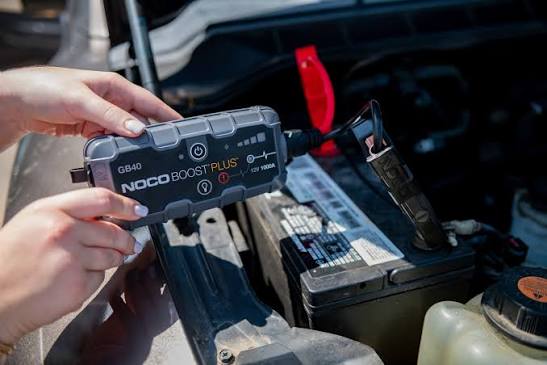
One common mistake is replacing the battery as soon as the car needs a jump-start. A discharged battery and a failed battery are not necessarily the same thing.
Another mistake is choosing a new battery without investigating why the previous one failed unusually early. If an alternator, connection, or electrical draw caused the discharge, a replacement battery may eventually face the same conditions. Diagnosis first usually costs less than repeated guessing.
Frequently Asked Questions
Why does my new car battery keep dying?
A newer battery can repeatedly discharge if the charging system is weak, an accessory continues drawing power while parked, connections are poor, or the vehicle is driven mainly on short trips.
Can an alternator damage a new battery?
A charging-system problem can leave a battery persistently undercharged or expose it to improper charging conditions. Testing alternator output and battery condition together gives a clearer picture than replacing parts based only on symptoms.
Should I replace a battery after one jump-start?
Not automatically. A jump-start only confirms that the battery lacked enough power to start the engine. Have the battery and charging system checked before deciding whether replacement is necessary.
Find the Cause Before Spending Again
Repeated battery purchases are a warning that the underlying cause may still be present. Check battery condition, charging performance, cable connections, electrical draw, and vehicle use before buying another replacement.
A proper diagnosis turns battery replacement from guesswork into a repair decision and can prevent the same expense from repeating.