An overgrown garden bed rarely needs to be torn apart and rebuilt. In many cases, careful pruning, selective removal, and a little patience can uncover the original shape beneath months or years of uncontrolled growth. The goal isn’t to make everything smaller at once. It’s to restore space between plants while protecting healthy structure.
Start by Seeing What Is Actually Growing
Before cutting anything, identify the plants you want to keep. Pull obvious weeds, remove dead annuals, and separate desirable plants from volunteers that have spread into unwanted areas.
Look at the bed from several feet away. You may discover that one aggressive shrub, vine, or perennial is creating most of the visual disorder. Removing that single source of crowding can make the rest of the job much easier.
A useful first pass is to mark three groups: plants to keep, plants to reduce, and plants to remove. Gardeners comparing different approaches may also encounter practical gardening references while deciding how much cleanup a crowded bed actually needs.
Prune in Small Rounds Instead of One Hard Cut
Aggressive pruning feels efficient, but it can leave shrubs misshapen and flowering plants unable to recover normally. Work in stages so you can repeatedly step back and check the overall form.
Begin With the Obvious Material
Start with dead, damaged, rubbing, or badly positioned branches. Then remove stems growing into paths, covering windows, or crowding neighboring plants.
For dense shrubs, thinning selected stems often creates a cleaner result than cutting every branch to the same height. Shared home-improvement ideas can provide useful inspiration, but the growth habit of each plant should guide the actual cut.
Restore Space Around Each Plant
Once obvious excess growth is gone, focus on separation. Plants that have merged into one solid mass usually look untidy because their natural forms are no longer visible.
| Problem | Simple Response | Watch For |
|---|---|---|
| Crossing branches | Remove weaker growth | Bark damage |
| Path obstruction | Shorten outward growth | Uneven shape |
| Crowded perennials | Thin or divide | Buried crowns |
| Dense groundcover | Trim spreading edges | Hidden weeds |
Create visible gaps where appropriate rather than exposing bare soil everywhere. A mature garden can still look full while maintaining recognizable shapes and usable pathways.
Deal With Spreading Plants Before They Return
Some garden beds become overgrown because one species spreads faster than everything around it. Cutting the top growth may make the bed look cleaner temporarily without solving the underlying problem.
Trace runners, suckers, and spreading roots back toward the main plant where practical. Remove unwanted seedlings before they mature. Broader garden-planning material may be helpful when thinking about long-term layout, especially when the same plants repeatedly escape their intended areas.
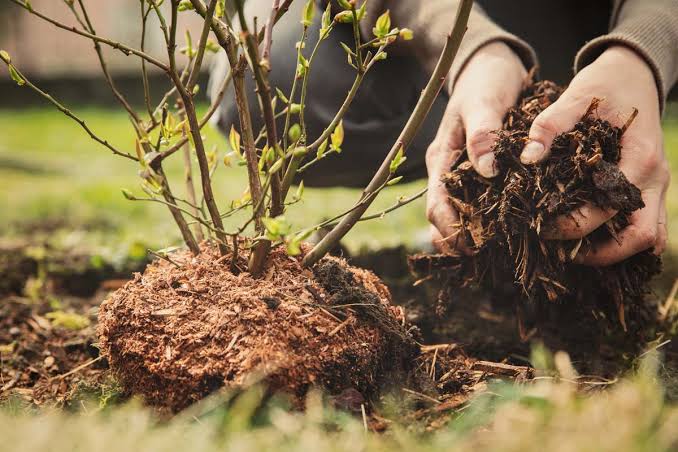
Mulch can help suppress new weeds after cleanup, but avoid piling it against woody stems or burying plant crowns.
Common Pruning Mistakes That Create More Work
The biggest mistake is trying to finish an old, overgrown bed in a single dramatic session. Once too much material is removed, it can’t be put back. Large gaps may also encourage weeds to occupy newly exposed soil.
Another problem is trimming every shrub into the same rounded shape. That may create temporary neatness while hiding each plant’s natural structure. Also avoid pruning simply because a branch looks long. First ask whether it is healthy, well positioned, and contributing to the plant’s shape.
Frequently Asked Questions
Should I prune an entire overgrown garden at once?
Usually, a staged approach gives you more control. Remove obvious unwanted growth first, review the result, and continue only where necessary. Some established shrubs may also respond better when major renovation is spread over time.
Can an overgrown perennial bed be saved?
Often, yes. Removing weeds, dividing crowded perennials, trimming spreading plants, and restoring clear edges can transform a neglected bed without replacing everything.
What should I do after heavy garden cleanup?
Clear loose debris, check which plants still need support or division, restore edging, and add mulch where appropriate. Then watch the bed for several weeks before making additional major cuts.
Keep the Garden Manageable From Here
A restored bed stays attractive through small, regular corrections rather than occasional drastic pruning. Walk through the area every few weeks during active growth and remove problems while they’re still easy to handle. Ten minutes spent cutting a wandering stem or pulling a new weed can prevent another full-scale rescue later.