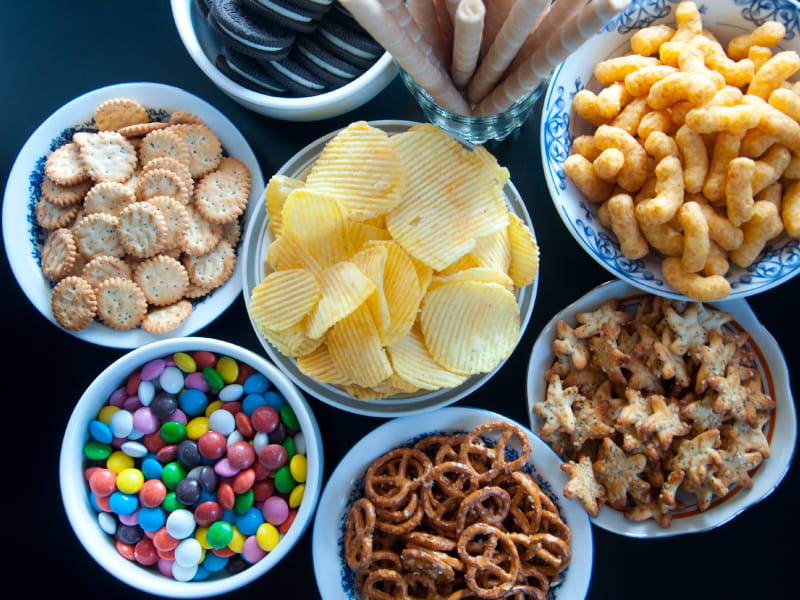
Eating fewer heavily processed foods doesn’t require clearing the kitchen and starting over. A more workable approach is replacing some packaged, refined choices with foods closer to their original form. Fruit, vegetables, beans, eggs, whole grains, nuts, and minimally processed proteins can gradually take a larger role without making meals inconvenient.
Why Whole-Food Swaps Can Improve Everyday Eating
Whole and nutrient-dense foods tend to supply fiber, protein, vitamins, minerals, or healthy fats without relying as heavily on added sugars, sodium, and refined carbohydrates. Current CDC healthy-eating guidance emphasizes nutrient-dense foods while limiting highly processed choices.
The goal doesn’t need to be a perfectly unprocessed diet. Processing includes useful methods such as freezing, canning, cooking, and pasteurizing. The more practical concern is depending heavily on products that offer plenty of calories while providing limited nutritional value.
Begin With Foods You Eat Most Often
Changing frequent choices usually matters more than replacing an occasional treat. Breakfast cereal might become oatmeal with fruit, while a packaged afternoon snack could occasionally become yogurt, nuts, or fruit.
People also encounter plenty of general wellness reading while searching for healthier routines online. Such material can provide ideas, but dietary decisions should still be based on reliable nutrition guidance and individual needs.
Start with one regular meal. If lunch depends on packaged convenience foods, adding vegetables, beans, eggs, tuna, or leftover home-cooked food can move the meal toward a less processed pattern without creating much extra work.
Make Replacements Rather Than Creating Food Rules
Strict food bans can make eating harder than necessary. Instead, identify what the processed food is doing for you—providing convenience, sweetness, crunch, portability, or a quick meal—and find a practical alternative that serves the same purpose.
That same principle is useful when browsing everyday health topics online. Information is easier to apply when it supports realistic habits instead of turning food choices into rigid rules.
| Frequent Choice | Possible Swap | Practical Benefit |
|---|---|---|
| Sugary cereal | Oatmeal with fruit | Adds whole grains and fruit |
| Packaged snack cakes | Fruit with yogurt | More nutrient-dense snack |
| Instant noodle meal | Rice, vegetables, egg | Easier to balance |
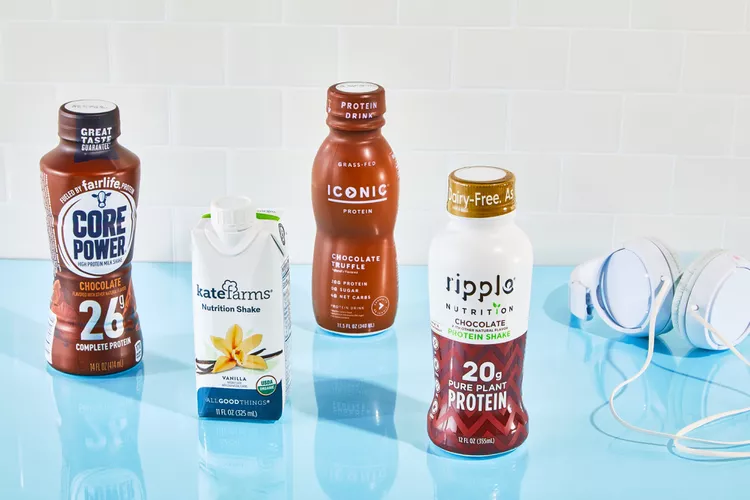
| Sugary drink | Water or unsweetened drink | Cuts added sugar |
Keep Convenient Foods in the Plan
Whole-food eating fails quickly when every meal requires extensive preparation. Frozen vegetables, canned beans, plain yogurt, canned fish, pre-cooked whole grains, and frozen fruit can shorten preparation while still supporting nutritious meals.
Someone exploring broader lifestyle resources may see many different approaches to eating. Convenience should not automatically be treated as unhealthy; the useful distinction is what the food contributes to the overall eating pattern.
Try preparing flexible components rather than complete elaborate meals. Cook rice or another grain, wash fruit, prepare a protein source, and keep easy vegetables available. Those components can become several different meals during the week.
Where the “Processed Food Is Bad” Idea Goes Wrong
Processing itself isn’t a useful way to judge every food. Frozen vegetables are processed. Plain canned beans are processed. Whole-grain bread is processed too.
What matters more is the nutritional profile and how frequently a food appears in the diet. An occasional packaged dessert is different from relying on highly processed snacks, sugary drinks, and refined convenience meals throughout most of the day. A sustainable eating pattern has room for flexibility.
When Food Habits Deserve Professional Attention
Consider speaking with a qualified health professional or registered dietitian if dietary changes become highly restrictive, produce persistent weakness or dizziness, cause unintended weight changes, or create significant anxiety around eating. People managing medical conditions or prescribed therapeutic diets may also need individualized guidance.
The CDC provides current guidance on building eating patterns around nutrient-dense foods rather than relying heavily on highly processed options. CDC Healthy Eating Tips
Frequently Asked Questions
Do I need to stop eating processed food completely?
No. Many processed foods can fit into a balanced diet. Focus on gradually increasing nutrient-dense foods and reducing dependence on products high in added sugars, sodium, or refined ingredients.
Are frozen foods considered whole foods?
Frozen fruit, vegetables, fish, and similar foods can remain nutritious choices. Check sauces, syrups, added sugars, and sodium when comparing packaged versions.
What is the easiest first replacement?
Choose something you eat almost every day. Replacing one regular snack, breakfast, or beverage is usually easier to maintain than changing several meals at once.
Make the Change Small Enough to Keep
Replacing some heavily processed foods works best as a gradual shift rather than a strict challenge. Choose one frequent food, find a realistic substitute, and keep both convenience and nutrition in mind. Once the new option feels normal, make another change. A series of manageable swaps can reshape the overall diet without making everyday eating unnecessarily complicated.
This article is for general informational purposes and is not a substitute for professional medical advice, diagnosis, or treatment.