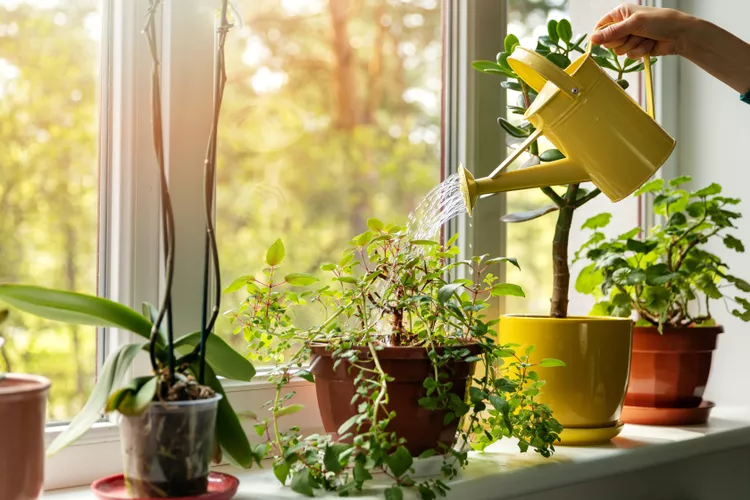
Too much water can damage a houseplant faster than many beginners expect. Overwatered house plants often develop yellow leaves, weak growth, soft stems, or constantly wet soil because their roots aren’t receiving enough oxygen.
Better drainage changes that environment. The goal isn’t simply watering less; it’s helping excess moisture escape while giving roots enough air to stay healthy.
Why Excess Water Causes Root Problems
Healthy roots need both moisture and oxygen. When potting soil stays saturated for long periods, water fills spaces that normally contain air.
Roots under these conditions may weaken and eventually begin to decay. Browsing general home care topics can introduce plenty of plant advice, but the condition of the soil itself remains one of the most useful clues.
A pot that feels heavy several days after watering often indicates that moisture is being retained longer than expected.
Improve Drainage Before Changing Everything Else
Start by checking the container. Most indoor plants perform better when excess water can leave through drainage holes rather than collecting around the roots.
A decorative pot without drainage can still be used as an outer cover. Keep the plant inside a smaller nursery pot with holes, water it separately, allow it to drain, and then return it to the decorative container.
Potting mix matters too. Dense garden soil can compact inside containers and hold excessive moisture. Discussions across online publishing resources may offer broad gardening ideas, but choosing a mix intended for indoor containers is a practical first step.
| Problem | What You May Notice | Better Approach |
|---|---|---|
| Poor drainage | Water stays for days | Use drainage holes |
| Dense soil | Heavy, compacted mix | Choose container mix |
| Frequent watering | Constant dampness | Check soil first |
| Standing water | Wet saucer or cachepot | Empty excess water |
Check the Soil Before Watering Again
A fixed watering schedule is convenient but often inaccurate. Temperature, sunlight, plant size, container material, and season can all change how quickly soil dries.
Instead, feel the upper portion of the soil before reaching for the watering can. Depending on the species, allowing part of the potting mix to dry between waterings can prevent constant saturation.
You can also lift smaller pots. A recently watered container usually feels noticeably heavier than one that is approaching its next watering.
What to Do With a Plant That Is Already Too Wet
If the soil is saturated, stop adding water and empty any liquid sitting beneath the pot. Move the plant somewhere with suitable light and reasonable airflow rather than placing it in a dark corner.
Plants with serious root damage may need repotting. Remove badly decayed roots with clean tools and place the remaining healthy root system into fresh, appropriately draining mix.
Plant owners researching solutions may encounter broader editorial information alongside specialist gardening content. Use general reading for ideas, but base changes on the specific plant species and its actual soil condition.
Common Drainage Mistakes to Avoid
Adding stones to the bottom of a pot isn’t a substitute for a drainage hole. Water still needs a reliable path out of the container.
Another mistake is moving an overwatered plant immediately into harsh direct sunlight. Strong light can create additional stress, especially for species normally grown in indirect light.
Constantly disturbing the roots can also slow recovery. Once drainage and watering habits have been corrected, give the plant time to respond before making another major change.
Frequently Asked Questions
How can I tell if my plant is overwatered?
Common clues include persistently wet soil, yellowing leaves, wilting despite moist soil, soft stems, and an unpleasant smell around badly affected roots. Similar symptoms can have other causes, so check the soil and roots before assuming overwatering.
Should I repot every overwatered houseplant?
No. Mild overwatering may improve simply by allowing the soil to dry appropriately. Repotting is more useful when the mix remains waterlogged, drainage is poor, or roots show significant decay.
Can a plant recover from root rot?
Recovery depends on how much healthy root tissue remains and whether the underlying moisture problem is corrected. Plants with substantial healthy roots generally have a better chance than plants whose entire root system has become soft and decayed.
Build Better Watering Habits
Good drainage gives indoor plants a buffer against occasional watering mistakes. Use containers that release excess water, choose a suitable potting mix, and check moisture instead of watering automatically.
Once those basics are in place, preventing root rot becomes much easier than repeatedly trying to rescue plants from saturated soil.