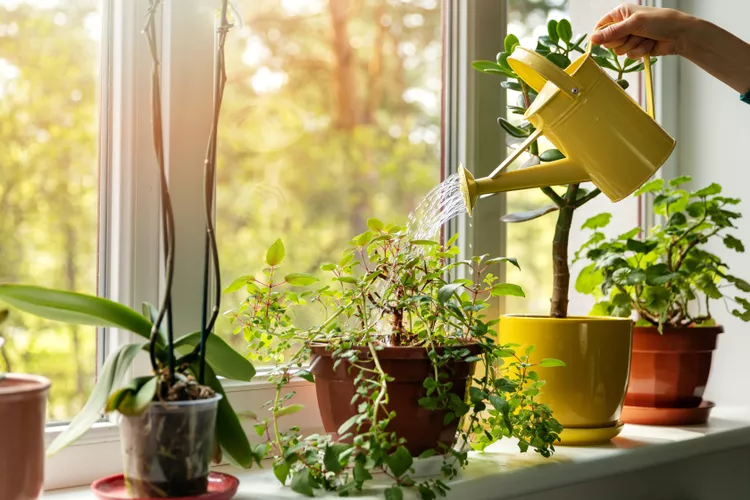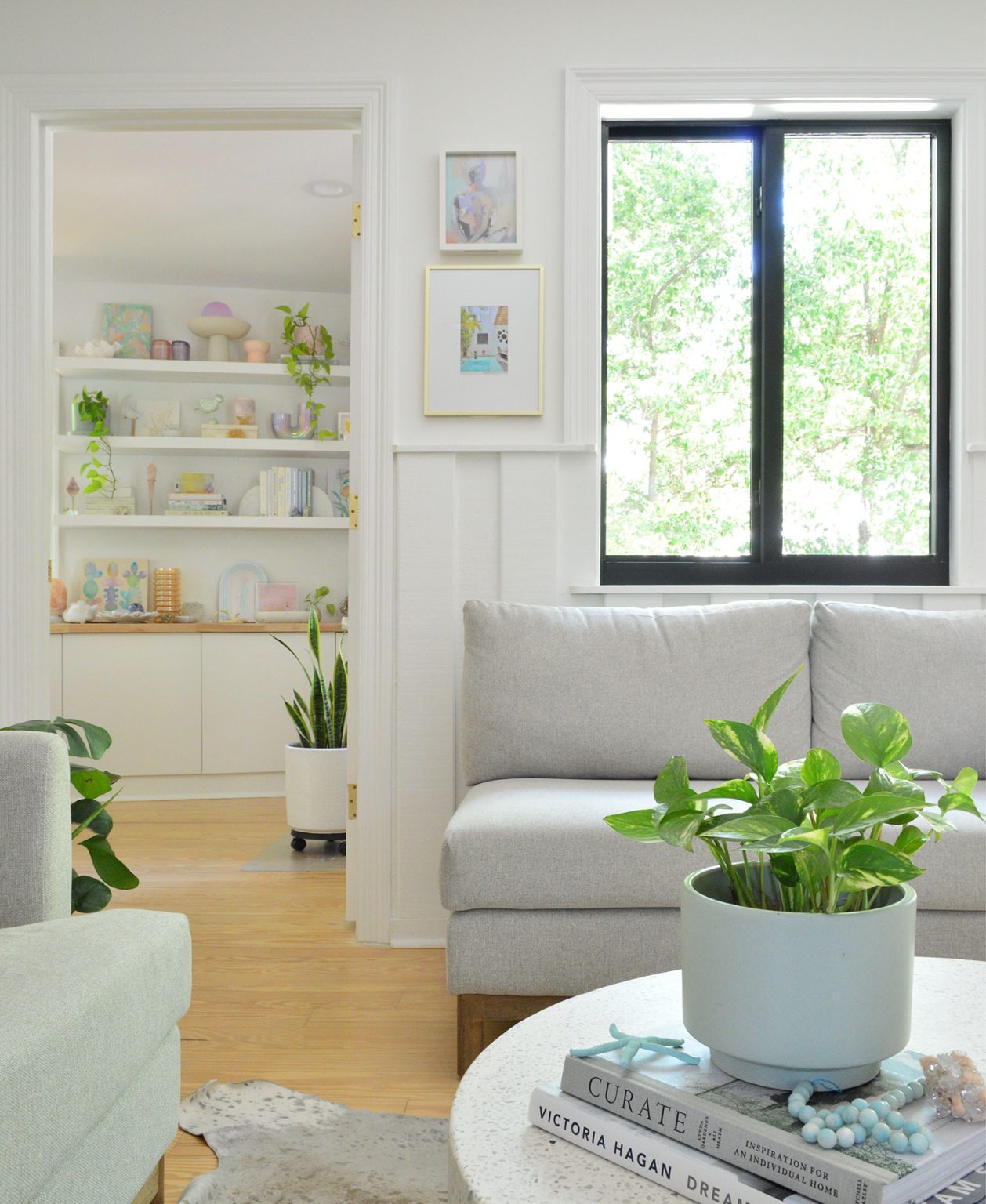
A weak houseplant doesn’t always need another drink. Pale leaves, stretched stems, slow growth, and leaning can all point to insufficient light, even when the soil seems dry. Improving indoor plant light before increasing watering often gives the plant a better chance to recover without creating root problems.
The key is reading the whole plant rather than reacting to one symptom.
Why Light Matters More Than Many People Think
Plants use light to support photosynthesis and growth. A plant kept too far from a useful light source may survive for months while gradually becoming thinner, weaker, or less colorful.
Watch the direction of growth
Stems that stretch toward a window are giving a useful clue. Leaves may also become smaller, while spaces between new leaves become longer.
Before changing anything else, observe where the brightest natural light falls during different parts of the day.
Adjust the Location Before Changing the Watering Schedule
Moving a struggling plant closer to a suitable window can make more sense than immediately watering it. Introduce stronger light gradually if the plant has spent a long time in a dim room.
People exploring gardening reading ideas may encounter many quick fixes, but indoor growing conditions vary widely. Window direction, curtains, season, nearby buildings, and plant species can all change how much usable light reaches the leaves.
| Plant Clue | Possible Issue | First Check |
|---|---|---|
| Long, thin stems | Low light | Window distance |
| Pale new leaves | Weak growth conditions | Light exposure |
| Soil stays wet | Slow water use | Light and drainage |
| Leaning growth | One-sided light | Plant position |
Let the Soil Help Guide Watering
Low-light plants often use water more slowly because growth has slowed. Adding water on a fixed calendar can therefore leave the pot wet for longer than expected.
Useful practical home guides may encourage routines, but plant care works better when routines remain flexible. Check the soil rather than assuming that every plant should be watered on the same weekday.
Pot size also matters. A large container filled with dense soil can hold moisture long after the surface starts looking dry.
Improve Light Without Creating a New Problem
More light is helpful only when it suits the plant. Moving a shade-tolerant plant directly from a dark shelf into intense afternoon sun can scorch leaves.
Broader everyday plant discussions can provide ideas to consider, but the plant’s species and previous conditions should guide the change. A bright filtered location may be a better first move than the sunniest windowsill available.
Rotating the pot occasionally can also encourage more balanced growth when light comes mainly from one direction.
Where Plant Owners Often Go Wrong
The common mistake is treating drooping as automatic proof of thirst. Both overly dry and overly wet conditions can produce unhappy-looking foliage, so appearance alone doesn’t tell the entire story.
Repeated watering can be especially troublesome when weak light has already slowed the plant’s water use. Check soil moisture, drainage, light, temperature, and recent changes together. One adjustment at a time makes it easier to see what actually helps.
Frequently Asked Questions
How can I tell whether my indoor plant needs more light?
Look for stretching, smaller new leaves, faded color, slow growth, or strong leaning toward a window. These signs are not perfect on their own, but several appearing together can make insufficient light worth investigating.
Should I move a weak plant directly into full sunlight?
Usually, a gradual change is safer. Plants accustomed to low light can experience leaf damage when suddenly placed in strong direct sun. Increase exposure step by step while watching for bleaching, browning, or scorched patches.
Can artificial grow lights help weak indoor plants?
They can be useful where natural window light is limited. The appropriate intensity, distance, and operating time depend on the plant and the light fixture, so follow the manufacturer’s guidance and monitor how new growth responds.
Fix the Growing Conditions First
A weak indoor plant benefits from careful observation more than automatic watering. Check whether it has enough appropriate light, then reassess soil moisture and drainage before reaching for the watering can.
Small changes in placement can sometimes improve growth without changing anything else. Give the plant time to respond, watch the newest leaves, and base the next adjustment on what the plant actually shows.