Poor car traction often becomes obvious only after rain starts, when tires suddenly have less grip during braking, cornering, or acceleration. Checking tire condition before wet weather arrives gives you time to correct problems instead of discovering them on a slippery road.
Tread depth matters, but traction also depends on tire pressure, wear patterns, age, and the condition of the road surface.
Why Wet Roads Expose Tire Problems
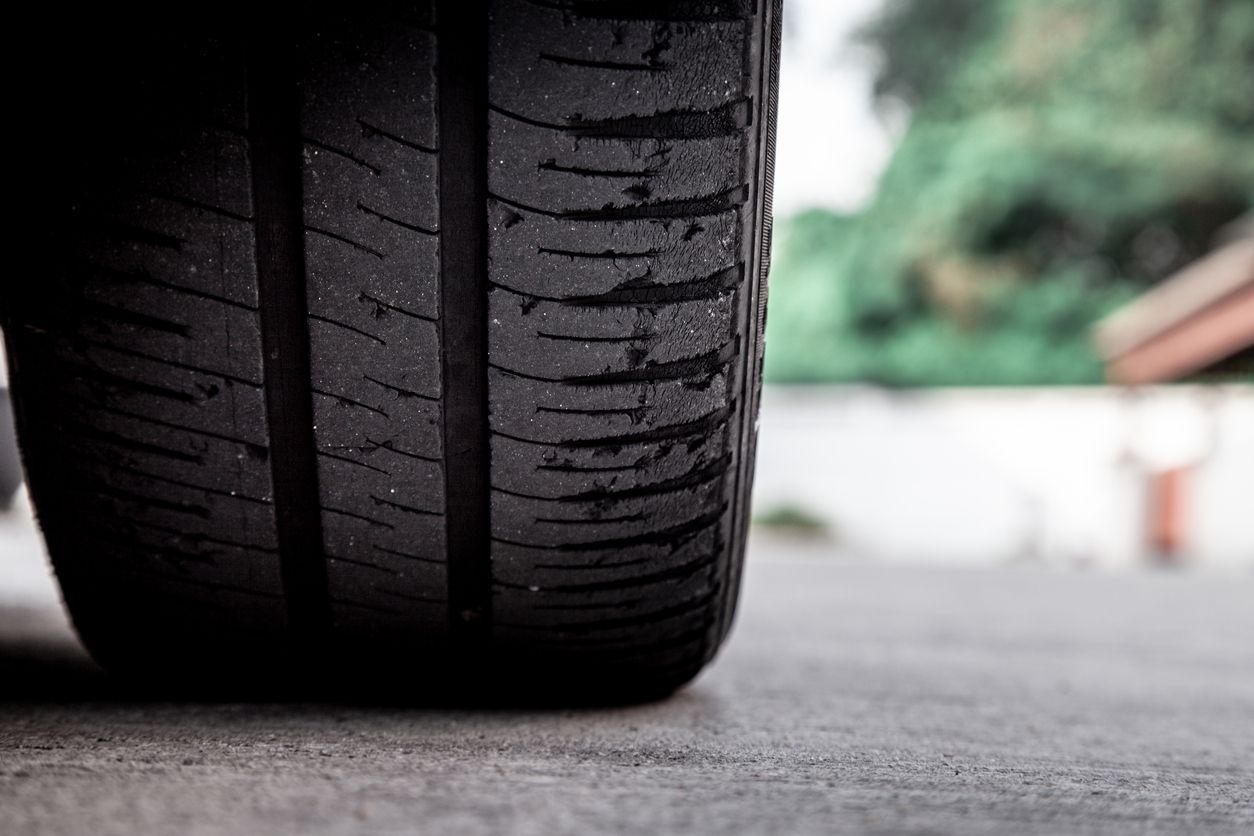
Tires rely on tread grooves to move water away from the contact patch. When those grooves become shallow, water has fewer places to escape, increasing the chance that the tire will lose effective contact with the pavement.
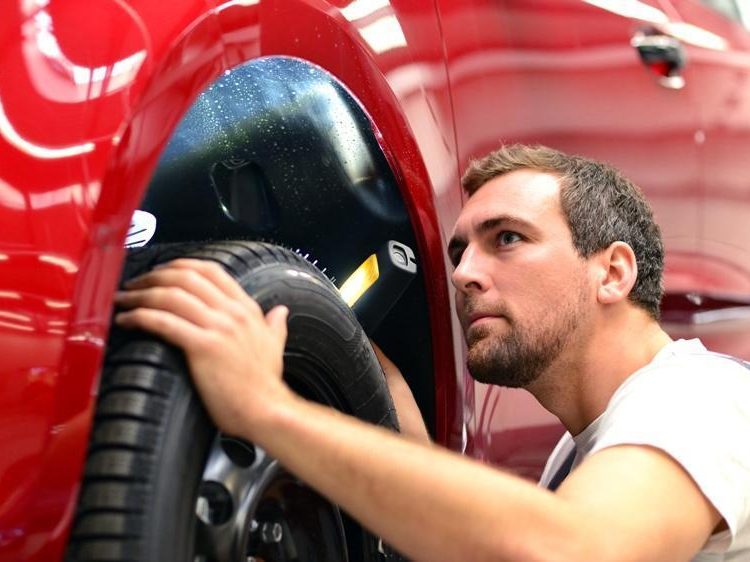
Drivers researching vehicle maintenance through general automotive reading may encounter many tire recommendations, but the useful starting point is physical inspection. Look for worn tread, cracking, cuts, embedded objects, and areas that appear smoother than the rest of the tire.
Watch for Uneven Wear
Wear across only one edge may suggest alignment trouble. Heavy wear through the center can be associated with excessive inflation, while wear toward both outer shoulders may occur when a tire has regularly been underinflated.
The pattern matters because a tire can appear usable at first glance while having significantly less grip in one section.
Check Tire Pressure Before the Weather Changes
Correct tire pressure helps the tread maintain the contact shape intended for the tire. Pressure that is too low can increase heat and create sluggish handling, while excessive pressure can reduce the size and consistency of the contact patch.
Useful everyday maintenance notes can help drivers remember routine checks, but pressure should be compared with the vehicle manufacturer’s recommended specification rather than the maximum number printed on the tire sidewall.
Check pressure when the tires are cold whenever practical.
| Tire Check | What to Look For | Why It Matters |
|---|---|---|
| Tread | Shallow or smooth areas | Less wet-road grip |
| Pressure | Below or above specification | Changes tire contact |
| Sidewall | Cracks, cuts, bulges | May indicate damage |
| Wear pattern | Uneven tread loss | Can reveal another problem |
Adjust Your Driving to Available Grip
Good tires improve traction, but they cannot cancel the effects of standing water, oil, leaves, painted road markings, or excessive speed.
During rain, increase following distance and make steering, braking, and acceleration inputs more gradually. Broader road-safety discussions can be useful reminders that vehicle condition and driver behavior work together rather than separately.
Cruise control may also be inappropriate in some wet conditions because maintaining direct control of acceleration can be more useful when grip changes suddenly.
Common Tire Checks Drivers Miss
One mistake is checking only the two front tires. Rear tires matter greatly to stability, especially during cornering or sudden maneuvers.
Another problem is assuming visible tread automatically means good wet-weather performance. Tire age, rubber deterioration, improper inflation, and uneven wear can reduce confidence even when some tread remains.
Don’t forget the inside edges of the tires. Steering angle, suspension position, and bodywork can hide wear that is difficult to see while standing beside the vehicle.
Frequently Asked Questions
Why does my car feel slippery only when it rains?
Rain reduces available friction and can expose weaknesses in tread, inflation, alignment, or driving technique. The first rainfall after a dry period may also mix water with accumulated road residue, creating particularly slippery conditions.
Can new-looking tires still have poor traction?
Yes. Tires may have uneven wear, incorrect pressure, aging rubber, damage, or characteristics poorly suited to current conditions. Appearance alone doesn’t provide a complete picture of available grip.
Should I check tire pressure before a long drive?
Checking pressure before longer trips is a sensible maintenance habit. Use the vehicle manufacturer’s recommended cold-tire pressure and inspect the tires for damage or unusual wear at the same time.
Check Grip Before You Need It
Wet weather shouldn’t be the moment you discover that your tires are overdue for attention. Inspect tread, pressure, sidewalls, and wear patterns before rainy conditions arrive, then adjust your driving to the grip actually available.
If a tire shows significant damage, abnormal wear, or uncertain condition, have it inspected before relying on it in demanding weather.