Windshield wipers rarely get attention until rain turns the road ahead into a blurred sheet of water. Poor windshield wipers can reduce visibility exactly when drivers need a clear view of traffic, lane markings, pedestrians, and changing road conditions.
Replacing worn blades before storm season is a small maintenance job that can prevent a frustrating—and potentially dangerous—surprise during heavy rain.
Know the Signs Your Wipers Are Wearing Out
A good wiper should move smoothly across the windshield and leave most of the glass clear. Streaking, skipping, squeaking, or leaving untouched patches usually means something has changed.
Rubber edges can become stiff, cracked, torn, or uneven after repeated exposure to sunlight, temperature changes, dirt, and road debris. Drivers exploring practical maintenance reading may encounter plenty of vehicle-care advice, but checking the actual blade condition remains the fastest starting point.
Look Closely at the Rubber Edge
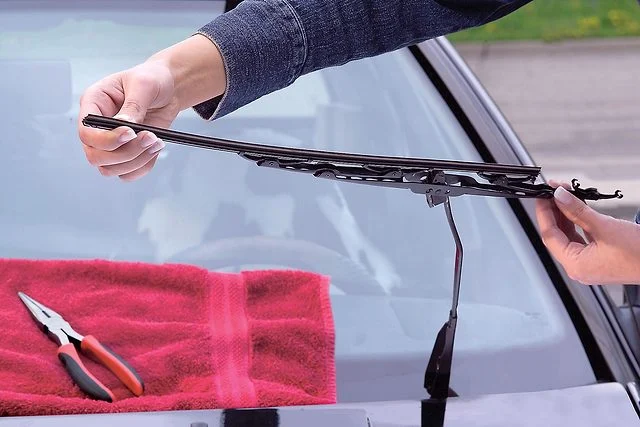
Lift each wiper arm carefully and inspect the blade. Small splits, missing pieces, rounded edges, or hardened rubber can prevent consistent contact with the glass.
Cleaning may help when the blade is dirty but otherwise intact. Physical deterioration normally calls for replacement rather than repeated cleaning.
Why Storm Season Exposes Weak Blades
Light rain can hide a mediocre wiper’s shortcomings. Heavy rain is different because the blade must continuously move larger amounts of water while maintaining even contact with the windshield.
Preparation also extends beyond the blades themselves. Regular hands-on care ideas can encourage owners to notice small maintenance issues before weather makes them harder to ignore.
| Wiper Problem | Likely Issue | Practical Response |
|---|---|---|
| Long streaks | Worn or dirty edge | Clean and inspect |
| Skipping | Uneven blade contact | Check blade condition |
| Squeaking | Dry or hardened rubber | Inspect for replacement |
| Unwiped areas | Damaged blade or poor fit | Replace or refit |
Replace Blades Before Visibility Gets Bad
Waiting until a blade becomes nearly useless is a poor maintenance strategy. A gradual decline can be easy to tolerate because drivers become accustomed to slightly worse visibility over time.
Routine vehicle checks are easier when wipers are treated like other consumable parts. Broader consumer maintenance guidance can be useful for building that habit, especially before a season known for frequent rain or thunderstorms.
Confirm the Correct Blade Size
Replacement blades need to match the vehicle. The driver’s side and passenger’s side may use different lengths, and some vehicles also have a rear wiper.
Check the owner’s manual, existing blade markings, or a reliable parts guide for the correct fit rather than assuming both sides use identical blades.
Make the Windshield Part of the Check
New blades cannot perform well on a windshield coated with grime, oily residue, wax buildup, or stubborn debris. Clean the glass thoroughly whenever replacing wipers.
Washer fluid also deserves attention. A nearly empty reservoir becomes obvious at the worst possible moment, particularly when road spray repeatedly dirties the windshield during wet driving.
Mistakes That Make Wiper Problems Worse
One common mistake is replacing blades without inspecting the windshield. A damaged or heavily contaminated glass surface can cause new blades to perform poorly or wear faster.
Another mistake is forcing a frozen or stuck wiper across the glass. That can damage the rubber edge or strain the mechanism. Don’t assume noise automatically means the motor is failing, either. Start with the simpler possibilities: dirt, rubber wear, fit, and windshield condition.
Frequently Asked Questions
Can old windshield wipers damage the glass?
A badly deteriorated blade can expose harder components that may rub against the windshield. Replacing damaged blades promptly is cheaper and simpler than dealing with scratched glass.
Should both windshield wipers be replaced together?
Replacing both at the same time often provides more consistent wiping performance. However, the correct decision depends on the condition, age, and fit of each blade.
Why do new wiper blades still leave streaks?
The windshield may contain dirt, wax, oil, or other residue. Incorrect installation, poor blade fit, or a problem with the wiper arm can also cause streaking.
Prepare Before the Rain Arrives
Check the blades while the weather is still calm. Inspect the rubber, clean the windshield, refill washer fluid, and replace worn blades with the correct size.
A few minutes of preventive attention can make a noticeable difference once rain becomes heavy. Don’t make the first major storm your windshield wipers’ first serious test.