A used car can look clean, drive smoothly for ten minutes, and still hide expensive problems. Paying for a pre-purchase vehicle inspection adds an upfront expense, but it can reveal mechanical, structural, electrical, and safety issues before money changes hands.
The goal isn’t to find a flawless car. It’s to understand what you’re actually buying.
What Does a Pre-Purchase Inspection Cover?
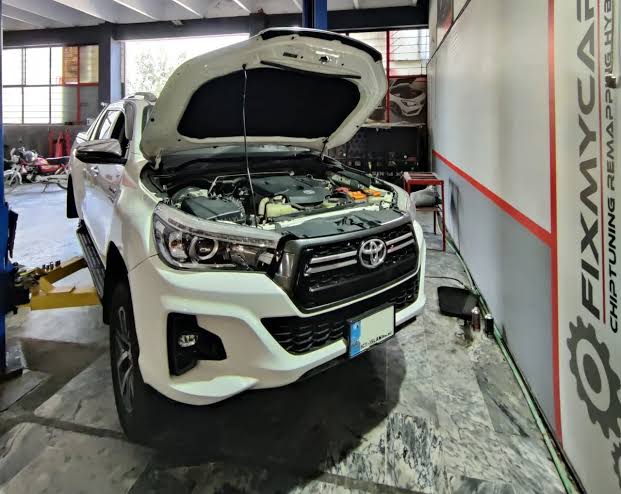
A useful inspection goes beyond checking whether the engine starts. A technician may examine fluid leaks, brakes, tires, suspension components, steering parts, warning lights, belts, hoses, battery condition, and signs of previous repairs.
Buyers researching possible trouble areas may encounter automotive reading material while preparing questions, but online research shouldn’t replace a physical examination of the specific vehicle.
Diagnostic Checks Can Reveal Hidden Clues
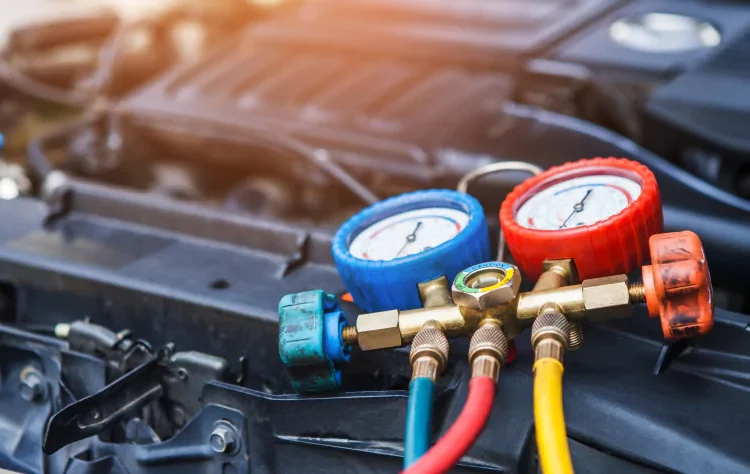
Modern vehicles store fault information that isn’t always obvious during a short test drive. Diagnostic scanning may uncover stored trouble codes or systems that recently reported faults.
A code doesn’t automatically mean a major repair is needed. It gives the technician another clue to investigate.
Why Inspection Costs Can Save Money Later
Skipping an inspection because the car appears inexpensive can create false savings. A low purchase price loses its appeal quickly if worn brakes, leaking suspension parts, damaged tires, or cooling-system problems need immediate attention.
People comparing vehicles through driving and ownership resources should still budget for independent verification. The condition of one individual car matters more than the general reputation of its model.
That distinction is easy to miss.
Look Beyond the Engine
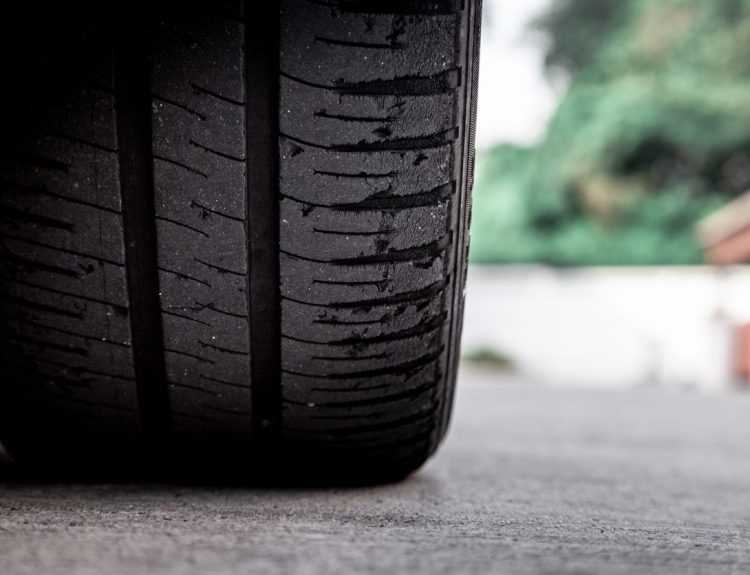
Mechanical condition is only one part of the purchase decision. Uneven panel gaps, mismatched paint, unusual welds, water stains, corrosion, or inconsistent tire wear may point toward previous damage or poor maintenance.
| Inspection Area | Possible Finding | Why It Matters |
|---|---|---|
| Brakes | Thin pads or worn rotors | Near-term repair expense |
| Tires | Uneven tread wear | Alignment or suspension concern |
| Fluids | Leaks or contamination | Possible mechanical problem |
| Body | Repair evidence | May affect value and safety |
A buyer may also browse vehicle-focused web resources while comparing models, yet the physical inspection should focus on the exact car sitting in front of the technician.
Use Inspection Findings During the Purchase Decision
An inspection report doesn’t always mean you should walk away. Minor maintenance items can become useful negotiation points if the overall vehicle is sound.
Larger concerns require more caution. Evidence of serious overheating, major structural repair, transmission trouble, extensive corrosion, or unresolved warning lights can change the economics of the purchase.
Ask for repair estimates when possible. A vague statement such as “it needs suspension work” is less useful than knowing which components appear worn and what replacing them could involve.
Where Buyers Commonly Make Mistakes
One common mistake is asking the seller’s regular mechanic to provide the only opinion. An independent technician has fewer reasons to minimize a problem.
Another mistake is assuming a recently passed state inspection proves the car is mechanically healthy. Regulatory inspections may focus on specific safety or emissions requirements rather than predicting upcoming repairs.
Don’t expect the inspection to guarantee the future either. Components can fail later even when they looked acceptable on inspection day.
Frequently Asked Questions
Is a vehicle inspection worth paying for before buying?
It can be especially useful when purchasing a used vehicle without a strong warranty. The inspection may identify repairs, maintenance needs, accident evidence, or mechanical concerns that affect whether the asking price still makes sense.
Should I inspect a certified used car?
Certification can provide additional reassurance, but an independent inspection offers another perspective. Review the certification program and warranty carefully before deciding whether a separate inspection is worthwhile.
What if the seller refuses an independent inspection?
Ask why. A refusal doesn’t prove the car has a problem, but it removes an important way to evaluate condition. You can decide whether the uncertainty is acceptable before committing your money.
Make the Inspection Part of Your Buying Budget
Treat inspection costs as part of buying a used car rather than an optional expense added afterward. Choose an independent technician, request clear findings, and separate minor maintenance from potentially expensive defects.
A modest expense before purchase can give you something far more useful than reassurance: better information for deciding whether the vehicle’s price and condition actually fit together.